
Neo 2 Guide for Dusty Construction Site Tracking
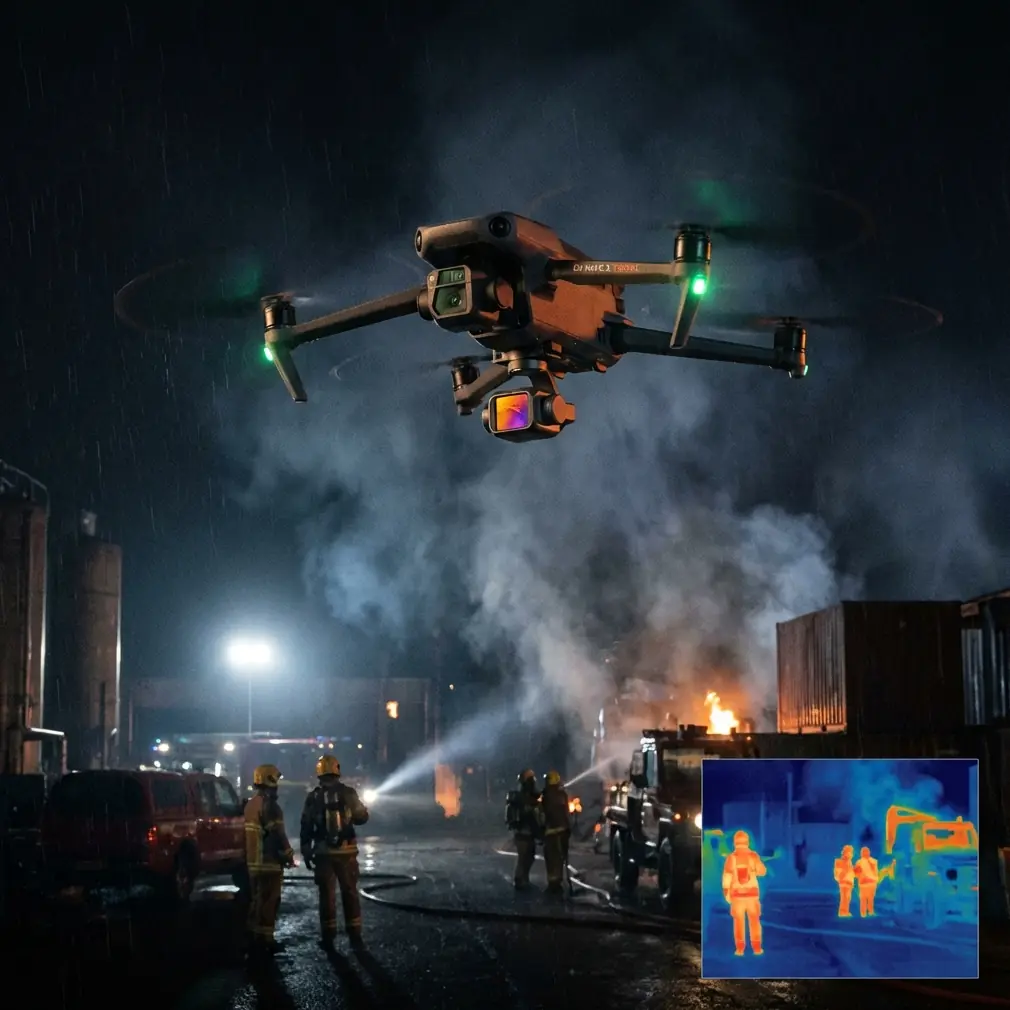
Neo 2 Guide for Dusty Construction Site Tracking: What Actually Matters in the Field
META: A practical Neo 2 tutorial for tracking construction sites in dusty conditions, with setup tips for obstacle avoidance, ActiveTrack, D-Log, Hyperlapse, QuickShots, and antenna positioning for stronger range.
Tracking a construction site sounds straightforward until you do it in real conditions. Dust hangs in the air, lighting shifts by the hour, machinery moves unpredictably, and the terrain changes week by week. A drone that feels simple in a park can become much harder to manage once you are flying around steel frames, concrete pours, stacked materials, and moving crews.
That is where a focused workflow matters more than a feature list.
If you are using the Neo 2 to document progress on dusty construction projects, the real question is not whether it can fly, track, or shoot polished footage. The question is how to configure those functions so the aircraft keeps a stable lock on the subject, preserves usable image data, and stays reliable when the environment is visually messy and physically harsh.
I approach this as a photographer first. Construction tracking is not only about getting dramatic aerial clips. It is about producing consistent visual records that help teams compare changes over time. A good Neo 2 workflow should give you both: clean progress documentation and enough creative flexibility for stakeholder updates, presentations, and marketing recaps.
Start with the mission, not the mode
A lot of pilots make the same mistake on active jobsites. They launch, pick a smart feature, and improvise. That usually creates footage that looks good in isolation but fails as a repeatable project record.
For construction tracking, your flight plan should answer three things before takeoff:
- What area must be documented every visit?
- What moving element, if any, should be tracked?
- Which shots need to match previous flights?
On a dusty site, consistency is your biggest asset. If you are comparing grading progress, crane placement, roofing stages, or façade installation, repeatable camera position matters more than cinematic experimentation. This is where Neo 2’s subject tracking tools and automated capture options can help, but only if you treat them as controlled tools instead of shortcuts.
Dust changes the way tracking behaves
Features like ActiveTrack are attractive on construction sites because they reduce stick workload while following a moving vehicle or a defined person walking a route. But dust can interfere with clean visual separation. A machine kicking up fine debris may partially obscure edges, flatten contrast, and make the tracked subject blend into the ground.
Operationally, that means you should be more selective about what you ask the Neo 2 to follow.
A white pickup on a pale dusty surface can be a poor tracking target at midday. A worker in a high-visibility vest moving along a clear path is often much easier for the system to identify. If your objective is progress storytelling rather than machine choreography, tracking a site supervisor walking a perimeter can produce a cleaner result than trying to follow an excavator through airborne dust.
That matters because subject tracking is only as good as the subject definition. In a cluttered construction environment, ActiveTrack works best when the target has:
- clear contrast against the background
- predictable movement
- limited visual obstruction
- enough spacing from vertical obstacles
The significance is practical. Better target isolation means fewer interruptions, fewer manual corrections, and more consistent footage for weekly or monthly reporting.
Obstacle avoidance is useful, but do not treat it as permission
Construction sites are obstacle-rich by default. Temporary scaffolding, rebar bundles, telehandlers, fencing, material stacks, and partially completed structures can create an environment that changes between visits. Obstacle avoidance is valuable here, especially when your attention is split between framing, subject tracking, and site awareness.
Still, this is one of those features that deserves realistic expectations.
Obstacle avoidance helps reduce the chance of a bad decision becoming an incident. It does not turn a construction site into an automated flying corridor. Dust, fine contrast transitions, and narrow work zones can all reduce how confidently the aircraft interprets the scene. On top of that, some hazards are thin, irregular, or temporary.
The operational takeaway is simple: use obstacle avoidance as a layer of protection, not your main navigation strategy.
For dusty site tracking, I recommend wider margins than you would use in open recreational flying. Give steel framing, tower sections, and material stockpiles more horizontal clearance than seems necessary on screen. Your display flattens space. The site does not.
If you are combining obstacle avoidance with ActiveTrack, be especially cautious during lateral movement. Side motion around partially built structures looks elegant in the final clip, but it also increases complexity. The aircraft is processing subject position, obstacle relationships, and your intended path at the same time. In dust, that stack of variables gets less forgiving.
The best range tip most pilots ignore: antenna positioning
If you want maximum practical range and a steadier connection, antenna positioning is not a small detail. It is one of the easiest performance gains available, and many pilots still get it wrong.
The basic rule is this: do not aim the antenna tips directly at the aircraft. Position the controller so the broad face of the antennas is oriented toward the Neo 2. Think of the signal pattern as strongest off the sides of the antenna surface, not fired like a laser from the ends.
Why this matters on construction sites:
- cranes, concrete structures, and steel can interrupt signal paths
- you may be operating from ground level while the site geometry blocks line of sight
- dust often encourages pilots to stand farther back, where signal discipline becomes more noticeable
If you are tracking across a wide site, reorient your body and controller as the drone changes position. Do not lock your hands in one posture and assume the link will sort itself out. Small adjustments in antenna alignment can make the difference between a stable live view and a frustrating drop in transmission quality.
The second part of range management is site positioning. Try to launch from a clear edge with direct line of sight over your primary work area, not from behind parked machinery, shipping containers, or temporary office units. Elevated visibility, even by a modest amount, often helps. If you need help thinking through a specific site layout, this Neo 2 field setup chat is a practical place to ask.
Why D-Log matters on dusty builds
Dusty environments often produce a deceptive image problem. To your eye, the site looks textured and dimensional. In captured footage, the same scene can turn harsh, flat, or washed out depending on sun angle and dust density.
That is where D-Log becomes useful.
If you are delivering footage for post-production or assembling regular project updates with a consistent visual style, D-Log gives you more room to shape highlights, recover detail, and match clips captured under changing site conditions. On a construction project, this is not just an artistic preference. It can help preserve visibility in bright concrete surfaces, reflective metal, and pale dust clouds that would otherwise clip too hard in a standard look.
The operational significance is consistency over time. Construction documentation often spans weeks or months. Light changes. Materials change. Surface color changes. A flatter recording profile gives you more flexibility to normalize those differences in edit, so your timeline does not feel like it was shot by three different teams.
If fast turnaround matters more than grading latitude, standard color can still be the right choice for routine updates. But for milestone captures, investor presentations, or before-and-after comparisons, D-Log is worth the extra handling.
Use QuickShots carefully on jobsites
QuickShots can be helpful when you want short, repeatable motion clips without manually flying every move. On a construction site, though, they work best in controlled zones rather than crowded active areas.
For example, a preplanned reveal shot from the perimeter can be useful when highlighting structural progress. A compact orbit around a mostly isolated building shell can also create a strong comparison clip from one visit to the next. But launching a QuickShot near moving equipment, suspended loads, or dense temporary structures is a poor trade.
The reason is not that the mode is inherently unsuitable. It is that construction sites change constantly, and automated movement relies on assumptions about available space. If those assumptions are wrong, your margin disappears quickly.
My rule: use QuickShots for visual context, not for core operational documentation. Your essential progress shots should be the ones you can repeat exactly and supervise directly.
Hyperlapse works best when the site tells a time story
Hyperlapse is underrated for construction progress because it can compress routine activity into something genuinely informative. Vehicle flow, material staging, slab work, or façade installation all gain clarity when time is condensed.
But the best Hyperlapse on a dusty site is usually not the most dramatic one. It is the most stable one.
A locked or gently controlled viewpoint tends to produce clearer progress information than an ambitious moving hyperlapse over active work zones. Dust already introduces motion and haze into the frame. Adding a complicated flight path can make the final sequence harder to read.
A good use case is a fixed vantage overlooking a major work area during a defined operation window. This can reveal site rhythm, crew sequencing, and equipment circulation in a way a normal clip cannot. If your role includes stakeholder communication, Hyperlapse can show progress tempo, not just physical change.
Build a repeatable weekly shot list
For ongoing site tracking, I recommend dividing your Neo 2 flight into three categories.
1. Record shots
These are your non-negotiable images and clips captured from the same positions every visit. Think cardinal-direction overviews, elevation-matching façade views, and top-down area references.
2. Tracking shots
Use ActiveTrack or manual follow for one or two controlled movements that show how the site is functioning. This could be a perimeter walk, access road movement, or a vehicle route through a staging zone.
3. Story shots
This is where QuickShots, Hyperlapse, or a single cinematic pass can add polish for reports and presentations.
The sequence matters. Always collect the record shots first, before wind, dust, light, or site traffic changes your options. Creative footage should come after the documentation is secure.
A few field habits that pay off
Dust does not only affect the air. It affects your habits.
Check your lens before every launch and again after landing. Fine dust can reduce contrast in a subtle way that you may not notice on a bright screen. Watch your takeoff and landing zone closely. Dry loose surfaces can blow debris upward, and construction edges are rarely clean launch pads.
When tracking a subject, keep your speed conservative at first. A slower pass gives the aircraft more time to maintain subject recognition and gives you more time to react if the route becomes crowded. It also tends to look more professional. Construction footage rarely benefits from aggressive pace.
And do not underestimate timing. Early morning and late afternoon often give you the best combination of texture, separation, and reduced glare. At midday, dusty pale surfaces can flatten everything into one broad, bright field, which makes both tracking and image quality less reliable.
What makes Neo 2 effective here
The strength of Neo 2 in this context is not any single feature. It is the combination of obstacle avoidance, subject tracking, QuickShots, Hyperlapse, and D-Log when applied with discipline.
Two details stand out operationally.
First, subject tracking such as ActiveTrack can reduce pilot workload during repeated site follow sequences, which is especially helpful when you are trying to keep framing consistent around moving personnel or vehicles. On dusty construction sites, that translates into smoother documentation and fewer abrupt manual corrections.
Second, antenna positioning directly affects connection quality and practical range. On a site full of steel, concrete, and temporary obstructions, aligning the controller antennas properly and preserving line of sight can have a bigger impact than many pilots expect. That is not theory. It changes whether your flight remains stable at the far side of the project.
Put those together, and the Neo 2 becomes far more than a casual capture tool. It becomes a compact platform for disciplined visual reporting.
If your goal is to track construction progress in dusty conditions, the winning formula is not flashy flying. It is clear subjects, conservative spacing, good antenna discipline, and a repeatable shot plan that respects how unpredictable jobsites really are.
Ready for your own Neo 2? Contact our team for expert consultation.