
Neo 2 Case Study: Monitoring Power Lines in Complex Terrain
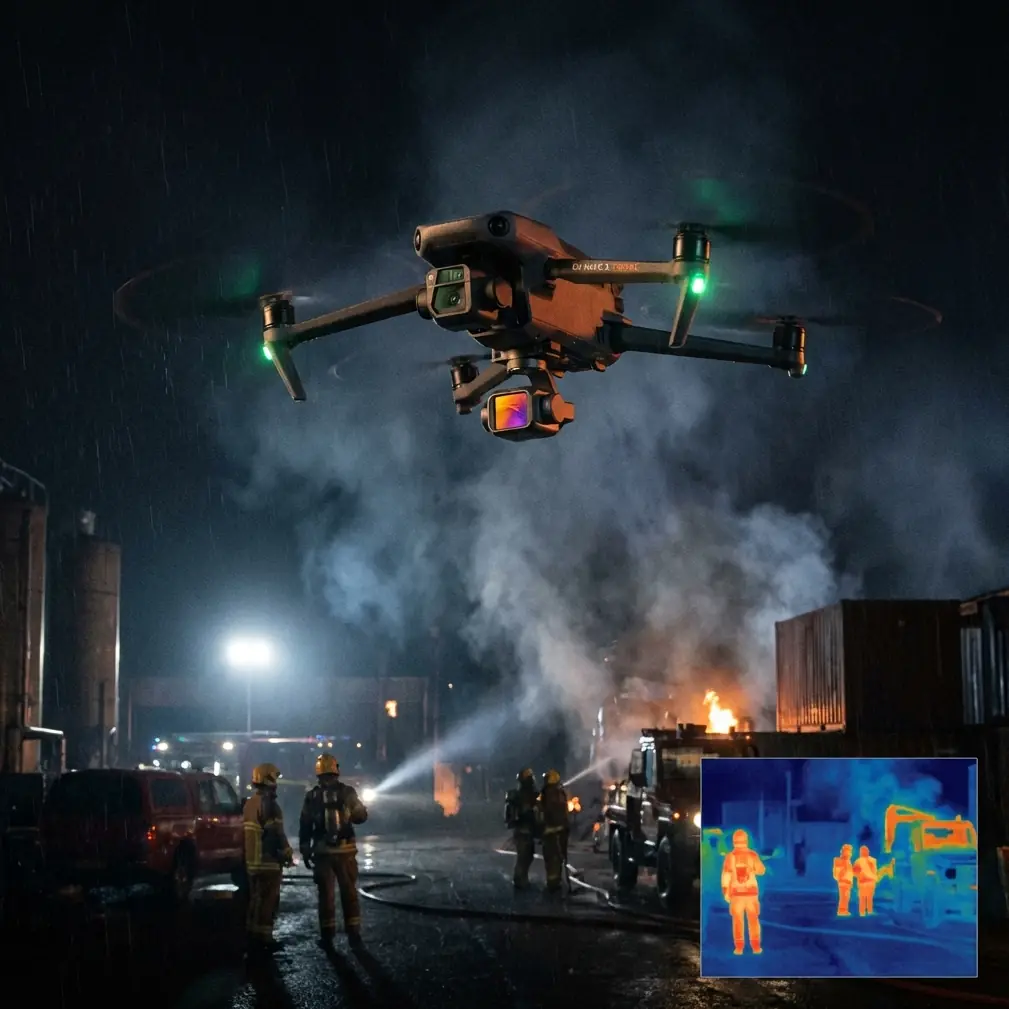
Neo 2 Case Study: Monitoring Power Lines in Complex Terrain When the Weather Turns
META: A field-based Neo 2 case study on monitoring power lines in steep terrain, covering obstacle avoidance, subject tracking, D-Log workflow, weather shifts, and operational lessons.
Power-line inspection sounds straightforward until you put a drone into a valley with broken ridgelines, crosswinds, changing light, and long spans of cable that disappear against dark trees. That is where a platform either proves its usefulness or exposes its limits.
In this case study, I want to look at how the Neo 2 fits a very specific job: monitoring power lines in complex terrain where the route is irregular, the background is visually noisy, and the weather refuses to stay still. This is not a generic overview. It is a practical look at what matters when you are trying to document line condition, follow corridors safely, and still come back with footage that a utility team can actually use.
The mission started on a clear morning in hill country where transmission lines cut across a mix of rock faces, pine stands, and narrow service tracks. On paper, the route was simple enough. Follow the corridor, capture the poles and conductor runs, log any obvious vegetation encroachment, and collect enough video for a second pass review back at the desk. In practice, the terrain forced frequent altitude changes. One span crossed a shallow ravine, another climbed along a ridge shoulder, and a third passed close to uneven tree canopies that left little room for lazy flying.
That environment is where obstacle avoidance stops being a marketing checkbox and becomes part of your risk management. In inspection work, it is easy to focus on the asset and forget that the drone is constantly negotiating the environment around it. The Neo 2’s obstacle avoidance matters here not because it removes pilot responsibility, but because it adds a layer of spatial awareness during slow lateral movements near trees, poles, and rising ground. In complex terrain, a few feet of misjudgment can be the difference between finishing a route and ending the day early.
The first operational advantage showed up during corridor following. Power lines rarely sit in open, empty air the way diagrams suggest. Background clutter is the real challenge. Dark conifers, reflective insulators, alternating light and shadow, and the visual confusion of multiple spans can make manual framing unnecessarily fatiguing over time. Using subject tracking and ActiveTrack-style behavior for portions of the route helped keep the camera aligned with the inspection path without forcing constant stick correction. That is significant because pilot attention is a finite resource. Every bit of cognitive load you can shift away from minor framing adjustments can be redirected toward the things that actually matter: conductor clearance, pole condition, hardware anomalies, and wind response.
There is also a less obvious benefit. Stable tracking improves repeatability. If a crew needs to revisit a section after identifying a possible issue, consistent framing makes it easier to compare one pass with the next. Repeatability is a serious operational asset in infrastructure work. You are not just collecting dramatic footage. You are building a visual record.
About 18 minutes into the flight window, the weather changed.
It did not arrive as a dramatic storm front. It started with a wind shift moving through the cut between two ridges, followed by flatter light as cloud cover slid over the valley. Anyone who works around mountains or broken terrain knows this pattern. One minute the drone is operating in predictable air. The next, it is dealing with uneven gusts and a scene that has lost most of its contrast.
That transition tells you a lot about a platform.
The Neo 2 handled the change best when the pilot stopped treating it like a camera toy and started treating it like an aircraft in a moving atmosphere. Ground speed had to come down. Lateral passes near the line were widened. Hover checks became more deliberate. Obstacle avoidance remained useful, but the real value came from how the flight systems supported composed corrections instead of abrupt overreaction. In a gusty corridor, the wrong pilot input can create more instability than the wind itself. A drone that responds predictably makes disciplined flying easier.
The lighting shift also exposed why D-Log is worth using on this kind of job. Flat light can either save detail or ruin it depending on how you capture the scene. With dark tree lines under a bright cloud ceiling, the dynamic range challenge is not abstract. You are trying to keep texture in the pole and hardware while avoiding blown-out sky and muddy vegetation. Recording in D-Log creates more room in post for balancing those elements, which is operationally useful when reviewing small surface details or trying to distinguish a real maintenance concern from a shadow artifact.
That matters even more when the weather changes mid-flight, because not every clip will be shot under the same conditions. In this mission, the early footage had harder sunlight and stronger contrast. The later segments were softer and flatter. A D-Log workflow made it much easier to bring the set together into something coherent for analysis. Consistency is not just an aesthetic preference in inspection documentation. It reduces ambiguity.
Another practical point: power-line monitoring in rugged areas often requires a mix of documentation styles in a single sortie. You need the close, deliberate inspection pass, but you also need the wider contextual view that shows terrain, access routes, and vegetation pressure around the line. This is where QuickShots and Hyperlapse features, used intelligently rather than casually, can add real value.
A QuickShot-style automated move can produce a fast environmental establishing shot of a tower or pole location before the detailed pass begins. That wider visual context helps engineers and field teams understand how the asset sits within the terrain. A Hyperlapse sequence, if conditions allow and the route is safe, can show cloud movement, shifting shadow patterns, or the changing relationship between the line corridor and surrounding vegetation over time. That kind of footage is not always necessary, but in complex terrain it can reveal how visibility and environmental conditions evolve across a site.
The key is restraint. Infrastructure work is not the place for flashy automation for its own sake. The value comes when these tools answer operational questions. How exposed is this span to the wind? How quickly does the ridge line lose visibility under cloud cover? Where does tree growth begin to tighten the corridor? Those are useful questions. The Neo 2’s automated capture modes can help answer them if the operator stays disciplined.
One of the more interesting parts of this mission was how the aircraft handled subject separation against the line itself. Thin conductors are notoriously difficult visual elements. They can vanish against bright sky, blend into dark backgrounds, and tempt pilots to rely too heavily on the screen rather than broader situational awareness. The better strategy with the Neo 2 was to treat the line as part of a corridor system rather than the only thing to frame. Track the pole sequence, the insulator assemblies, and the vegetation boundaries in relation to the conductor run. That produces footage that is more useful for review and less likely to become visually disorienting.
There is also a training implication here. Many pilots assume that inspection quality improves simply by getting closer. In reality, close proximity in uneven terrain can reduce both safety margin and interpretability. The Neo 2 performed best when the mission was flown with layered passes: first a wider corridor read, then targeted closer inspections on areas that looked suspicious, then a final contextual sweep to document the surroundings. That sequencing reduces rushed decision-making. It also gives you fallback documentation if the weather turns before you can complete every close pass.
And the weather did keep shifting.
By the back half of the operation, light wind had become intermittent gusts coming over the slope, with brief pockets of smoother air near the lower service road. That is exactly the kind of condition that tricks newer operators. They see one calm section, then carry that assumption into a more exposed segment. The Neo 2’s handling stayed composed, but the real lesson was procedural: terrain-driven wind is never uniform, and line inspection routes exaggerate that problem because they often follow exposed features.
This is where preplanned flexibility matters more than raw battery ambition. Instead of trying to finish every target on the first attempt, it is smarter to identify the highest-priority spans early and capture them while conditions are stable. The Neo 2 supports that approach well because it transitions cleanly between manual positioning, assisted tracking, and automated capture functions. That flexibility helps when the day stops following the plan.
For teams building a repeatable workflow, I would define the Neo 2’s value in this scenario around four practical strengths.
First, obstacle avoidance supports safer movement in terrain where trees, rising ground, and utility structures compress your margins. Second, subject tracking and ActiveTrack-style assistance reduce pilot workload during corridor following, which improves consistency across longer inspection segments. Third, D-Log gives you more usable footage when light changes abruptly, especially under cloud transitions. Fourth, QuickShots and Hyperlapse can document site context in ways that still serve operational review, provided they are used selectively.
If you are planning this kind of mission profile and want to compare field workflows with someone who actually thinks about utility inspection use cases, it makes sense to message the operations desk here before you standardize your flight routine.
The final review of the footage from this case made something clear. The Neo 2 is not valuable because it eliminates the hard parts of power-line monitoring. It is valuable because it helps a careful operator manage those hard parts with more control. That distinction matters. Complex terrain does not forgive complacency. Weather shifts do not care about your shot list. Thin conductors still disappear into messy backgrounds. Trees still rise faster than they look on a screen.
What changes is your margin for handling all of that well.
For a power utility contractor, vegetation management team, or infrastructure pilot working in broken landscapes, the Neo 2 makes the most sense when treated as a disciplined inspection platform rather than a casual flyer. Use obstacle avoidance to protect the aircraft, not to justify aggressive routing. Use tracking to stabilize your process, not to stop paying attention. Use D-Log because inspection footage often lives or dies on recoverable detail. Use QuickShots and Hyperlapse only when they add context that a maintenance decision-maker can actually use.
That is the operational reality behind the flight.
The mission began as a straightforward corridor check and turned into a test of adaptability when the weather shifted mid-route. The Neo 2 handled that test well, not through any single flashy feature, but through the way its flight assistance, tracking behavior, and image capture options worked together under pressure. In utility inspection, that combination is what separates footage that looks good from footage that helps.
And when you are monitoring power lines in steep, visually messy terrain, helpful beats pretty every time.
Ready for your own Neo 2? Contact our team for expert consultation.