
Neo 2 for Highway Monitoring: High Altitude Guide
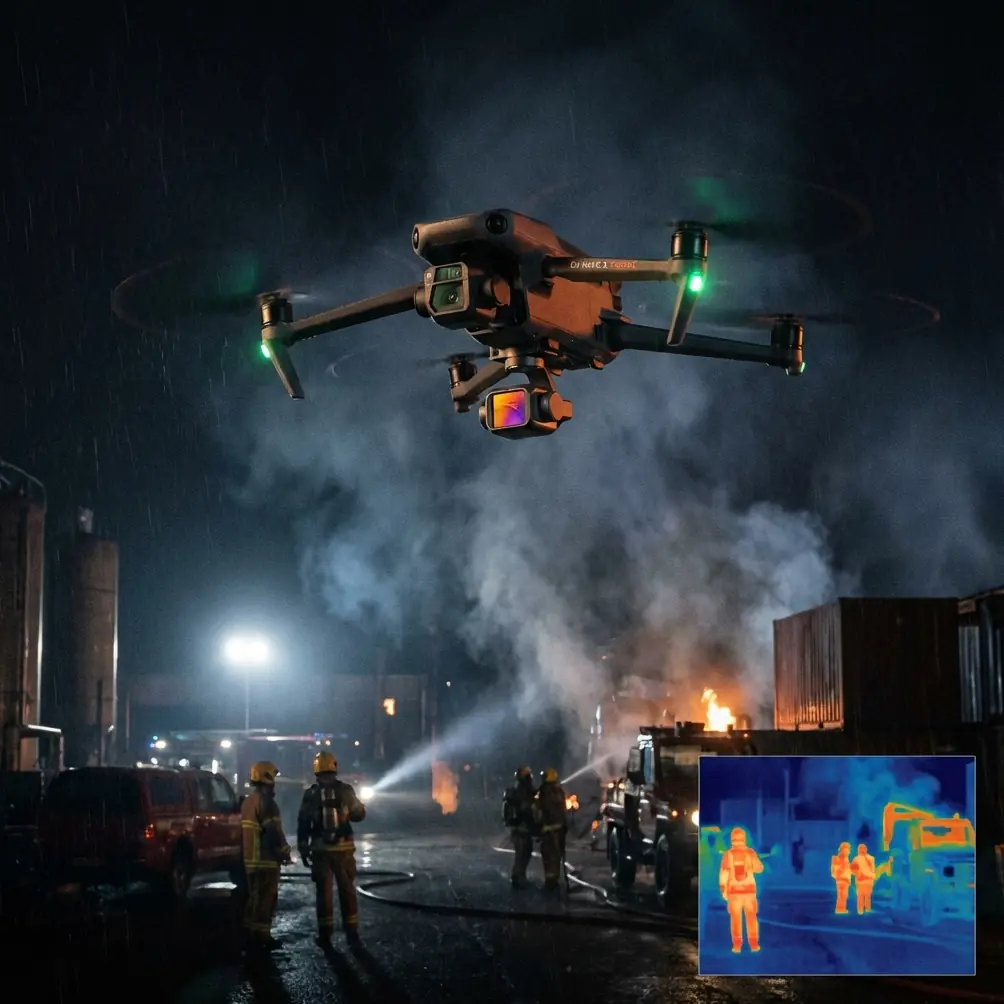
Neo 2 for Highway Monitoring: High Altitude Guide
META: Master highway monitoring at high altitudes with Neo 2. Expert tips on optimal flight settings, obstacle avoidance, and tracking for infrastructure surveillance.
TL;DR
- Optimal flight altitude for highway monitoring sits between 80-120 meters for comprehensive coverage without sacrificing detail resolution
- Neo 2's obstacle avoidance system performs reliably in high-altitude wind conditions common above highway corridors
- ActiveTrack and Subject tracking capabilities enable automated vehicle flow analysis across multi-lane highways
- D-Log color profile captures maximum dynamic range for post-processing traffic pattern analysis
The Highway Monitoring Challenge
Highway infrastructure demands constant surveillance. Traffic flow analysis, road surface degradation, accident response, and construction oversight all require aerial perspectives that ground-based systems simply cannot provide.
Traditional monitoring methods—fixed cameras, helicopter surveys, manual patrols—create gaps in coverage. They're expensive, inflexible, and often miss critical data points between observation intervals.
The Neo 2 addresses these limitations directly. Its sensor suite, flight stability, and intelligent tracking features make it particularly suited for extended highway corridor monitoring at elevations where wind and visibility present real operational challenges.
Why High Altitude Matters for Highway Surveillance
Monitoring highways isn't like filming a wedding or inspecting a single building. You're covering linear infrastructure stretching kilometers in length, often through varied terrain and weather microclimates.
Flying too low creates problems:
- Limited field of view requiring more passes
- Increased collision risk with overpasses, signage, and emergency vehicles
- Turbulence from passing trucks affecting footage stability
- Legal complications in controlled airspace near interchanges
Flying too high introduces different issues:
- Reduced image resolution for surface defect detection
- Difficulty tracking individual vehicles
- Increased wind exposure affecting battery consumption
Expert Insight: The sweet spot for highway monitoring with Neo 2 falls between 80-120 meters AGL (Above Ground Level). At this altitude, you capture approximately 400 meters of roadway width while maintaining sufficient resolution to identify lane markings, vehicle types, and surface anomalies. This range also keeps you clear of most highway infrastructure while remaining below typical controlled airspace floors.
Neo 2 Features That Excel at Highway Monitoring
Obstacle Avoidance in Complex Environments
Highway corridors present unique obstacle challenges. Power lines run parallel to roadways. Cell towers dot interchange areas. Emergency helicopters may operate in the same airspace during incidents.
The Neo 2's obstacle avoidance system uses multi-directional sensors to detect and navigate around these hazards. During high-altitude operations, the system remains active and responsive, though wind conditions above 25 km/h may trigger more conservative avoidance behaviors.
Key obstacle avoidance behaviors for highway work:
- Automatic altitude adjustment when approaching overhead power lines
- Lateral deviation around detected vertical structures
- Return-to-home path recalculation when obstacles block direct routes
- Real-time obstacle mapping displayed on controller screen
Subject Tracking for Traffic Analysis
ActiveTrack transforms the Neo 2 from a simple camera platform into an automated traffic analysis tool. The system can lock onto and follow specific vehicles, enabling:
- Incident response documentation: Track emergency vehicles from dispatch to scene
- Construction vehicle monitoring: Follow equipment through active work zones
- Traffic flow studies: Observe how vehicles navigate specific interchanges
- Speed pattern analysis: Track vehicles through measured corridor sections
The Subject tracking algorithm maintains lock even when target vehicles temporarily disappear behind overpasses or merge with similar-colored traffic. Recovery time after occlusion averages under 2 seconds in most lighting conditions.
QuickShots for Standardized Documentation
Highway agencies often require consistent documentation formats. QuickShots provides repeatable flight patterns that produce uniform footage across different locations and operators.
Useful QuickShots modes for highway work:
- Dronie: Pull-back reveals showing interchange complexity
- Circle: 360-degree documentation of specific infrastructure points
- Helix: Ascending spiral for vertical structure inspection
- Rocket: Rapid vertical ascent for wide-area context shots
Hyperlapse for Traffic Pattern Visualization
Understanding traffic flow requires observing patterns over extended periods. Hyperlapse condenses hours of movement into seconds of compelling footage.
For highway monitoring, Hyperlapse excels at:
- Rush hour congestion pattern documentation
- Construction zone traffic impact analysis
- Incident clearance time studies
- Seasonal traffic variation comparison
Pro Tip: When creating Hyperlapse sequences for traffic analysis, set your interval to 2-second captures and plan for at least 30 minutes of recording time. This produces approximately 15 seconds of final footage at standard playback speeds—enough to clearly demonstrate traffic pattern changes while remaining digestible for stakeholder presentations.
D-Log for Maximum Post-Processing Flexibility
Highway environments present extreme dynamic range challenges. Bright sky, dark pavement, reflective vehicle surfaces, and shadowed underpasses all appear in single frames.
D-Log captures a flat color profile that preserves detail in both highlights and shadows. This proves essential when:
- Analyzing footage for surface defects in shadowed areas
- Reading license plates on vehicles in direct sunlight
- Documenting accident scenes with mixed lighting conditions
- Creating consistent footage across varying weather conditions
Technical Specifications for Highway Operations
| Feature | Specification | Highway Relevance |
|---|---|---|
| Max Flight Time | 31 minutes | Covers approximately 15km of highway per battery |
| Max Wind Resistance | 38 km/h | Handles typical highway corridor conditions |
| Video Resolution | 4K/60fps | Sufficient for vehicle identification at 100m altitude |
| Transmission Range | 10 km | Enables monitoring of extended corridor sections |
| Operating Temperature | -10°C to 40°C | Year-round operation in most climates |
| Obstacle Sensing Range | 0.5-40 meters | Adequate for infrastructure avoidance |
| Hover Accuracy | ±0.1m vertical, ±0.3m horizontal | Stable platform for extended observation |
| Max Altitude | 500 meters (software limited) | Well above optimal highway monitoring range |
Flight Planning for Highway Corridors
Effective highway monitoring requires systematic flight planning. Random flights waste battery and produce inconsistent data.
Pre-Flight Checklist
Before launching for highway surveillance:
- Verify airspace authorization for the entire planned corridor
- Check weather forecasts for wind speed at planned altitude
- Identify emergency landing zones along the route
- Confirm communication coverage for the full flight path
- Review NOTAMS for temporary restrictions
- Coordinate with highway operations if monitoring active work zones
Optimal Flight Patterns
Linear infrastructure calls for specific flight approaches:
- Parallel tracking: Fly alongside the highway at consistent offset distance
- Perpendicular crossings: Capture cross-sectional views at regular intervals
- Orbital patterns: Circle specific points of interest (interchanges, bridges)
- Grid coverage: Systematic area documentation for construction sites
Battery Management Strategy
Highway monitoring often requires covering distances that exceed single-battery range. Plan your missions with:
- Multiple launch points positioned along the corridor
- Battery swap stations at accessible locations
- Conservative return-to-home margins accounting for headwinds
- Backup batteries exceeding planned mission requirements by 50%
Common Mistakes to Avoid
Flying directly over active traffic lanes This creates liability exposure and risks losing the drone onto the roadway if a malfunction occurs. Maintain lateral offset from active lanes whenever possible.
Ignoring wind gradient effects Wind speed increases significantly with altitude. Conditions calm at ground level may be challenging at 100 meters. Always check forecasts for your planned flight altitude, not surface conditions.
Neglecting sun position for timing Shooting toward the sun creates unusable footage. Plan flight times so the sun illuminates the roadway from behind or beside your camera position.
Overrelying on automated tracking ActiveTrack works well but isn't infallible. Maintain manual override readiness, especially when tracking vehicles approaching complex interchanges.
Skipping pre-flight sensor calibration Highway environments often include magnetic interference from underground utilities and overhead power lines. Calibrate compass and IMU before each mission, away from these interference sources.
Underestimating documentation requirements Many highway agencies require specific metadata, timestamps, and GPS coordinates embedded in footage. Configure these settings before flight rather than attempting to add them in post-processing.
Frequently Asked Questions
What altitude provides the best balance between coverage and detail for highway monitoring?
For most highway monitoring applications, 80-120 meters AGL delivers optimal results. This range captures approximately 400 meters of roadway width while maintaining resolution sufficient for vehicle identification and surface defect detection. Adjust within this range based on specific mission requirements—lower for detailed inspection work, higher for traffic flow analysis.
How does Neo 2's obstacle avoidance perform near power lines running parallel to highways?
The obstacle avoidance system reliably detects power lines at distances of 15-40 meters depending on line thickness and lighting conditions. However, thin guy wires and single-strand lines may not trigger detection. When operating near known power line corridors, maintain minimum 30-meter lateral clearance and avoid relying solely on automated avoidance.
Can Subject tracking maintain lock on vehicles moving at highway speeds?
ActiveTrack successfully maintains lock on vehicles traveling up to 120 km/h when the drone is positioned at appropriate altitude and lateral offset. The system performs best when tracking from angles between 30-60 degrees relative to the vehicle's direction of travel. Direct overhead or pure side-angle tracking reduces lock reliability at high speeds.
About the Author: Chris Park brings extensive experience in drone operations for infrastructure monitoring. His work focuses on developing practical workflows that maximize drone capabilities for real-world surveillance and documentation challenges.
Ready for your own Neo 2? Contact our team for expert consultation.