
Monitoring Fields with Neo 2 in Low Light
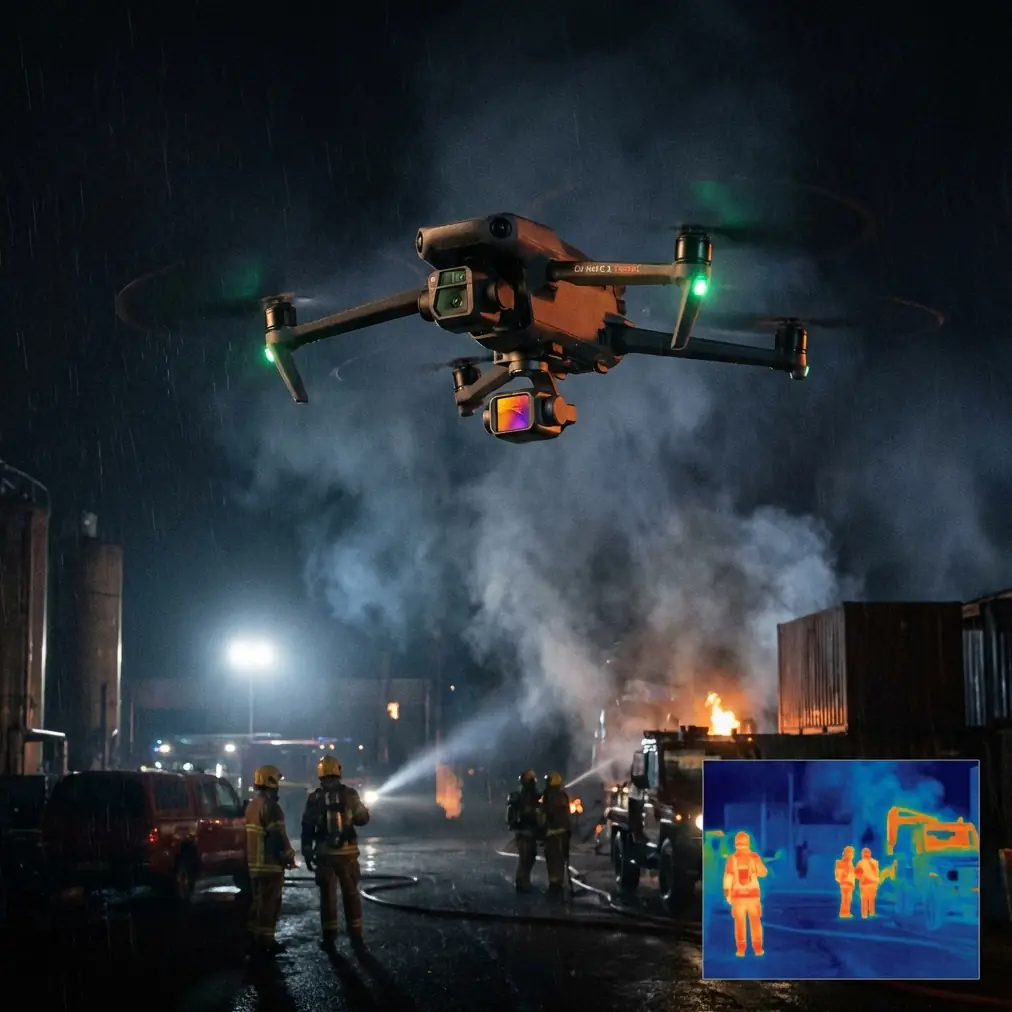
Monitoring Fields with Neo 2 in Low Light: A Practical Case Study on Capture Height, Reconstruction, and Workflow Fit
META: A field-tested case study on using Neo 2 for low-light field monitoring, with practical advice on flight altitude, image overlap, 3D reconstruction workflow, and why software compatibility matters.
Low-light field monitoring sounds simple until the first dataset comes back soft, uneven, or impossible to stitch cleanly into something useful. That is where most operators discover the real problem is not just the drone. It is the relationship between flight height, image geometry, reconstruction software, and the final environment where the data will actually be used.
For this case study, I want to frame Neo 2 not as a generic camera drone, but as part of a field documentation workflow for agricultural or land-management monitoring at dusk, overcast periods, and the edge of usable daylight. The goal is practical: produce imagery that can support repeatable field observation and, when needed, feed into accurate orthomosaic or 3D outputs without creating downstream headaches.
The reference material behind this discussion points to something many drone users overlook. Image capture is only the first step. The real value appears when the resulting data moves cleanly into photogrammetry and engineering tools. That matters for anyone using Neo 2 to monitor terrain variation, crop condition patterns, drainage features, access tracks, berms, or small structures around a field perimeter.
The operating problem in low light
Low-light field monitoring changes your margin for error.
When the light level drops, shutter speeds tend to slow unless the aircraft and camera compensate well. Motion blur becomes more likely. Texture quality falls off in uniform surfaces like soil, sparse vegetation, and wet ground. Oblique shadows can either help surface definition or break image consistency from pass to pass.
In a bright mid-morning mission, you can get away with a lot. In low light, poor planning shows up immediately in the reconstruction.
With Neo 2, the most useful mindset is not “how low can I fly for detail,” but “what altitude gives me the cleanest, most consistent image set for the intended output?” That is a different question, and it usually leads to better results.
The altitude insight: why slightly higher often works better
For monitoring fields in low light, a common mistake is flying too low in search of maximum detail. On paper, that sounds sensible. In practice, it can reduce reliability.
A slightly higher capture altitude often improves the dataset because it smooths out perspective changes between frames, increases contextual overlap, and lowers the effect of micro-movements from wind or pilot corrections. In low light, that stability matters more than chasing the smallest possible ground sample.
For small to medium field monitoring, a useful starting point is to test a moderate altitude band rather than scraping the surface. The reason is operational, not theoretical. Photogrammetry software depends on strong tie points across multiple images. If you fly too low over repetitive crop texture or dark soil, each frame may contain too little distinguishing geometry, especially late in the day.
The reference data specifically highlights a workflow where oblique imagery undergoes geometric processing, multi-view matching, triangulated network construction, and texture extraction before visualization into a 3D model. That sequence is critical. Multi-view matching is only as good as the overlap and visual consistency in your source images. A slightly higher flight can produce stronger matching because more of the field’s drainage lines, wheel tracks, edges, poles, channels, and boundary features stay visible across consecutive photos.
If I were planning a Neo 2 low-light field monitoring mission, I would rather fly a bit higher with strong overlap and sharper frames than lower with blur risk and weak reconstruction geometry.
Why oblique imagery matters more than many field operators think
Another practical lesson from the reference material comes from the StreetFactory subsystem description. It works by taking oblique imagery and pushing it through geometric processing, multi-view matching, mesh construction, and texture visualization to generate 3D models.
That is not just a software feature description. It is a field-capture lesson.
Straight-down imagery is useful for area coverage, but low-light agricultural monitoring often benefits from adding controlled oblique passes, especially when the task involves:
- tracking berm erosion
- inspecting drainage channels
- documenting access roads
- checking treeline encroachment
- reviewing small utility sheds or pump infrastructure
- understanding how terrain shape affects water movement
Oblique views introduce side information that nadir-only missions often miss. They also help reconstruction engines detect form where flat, low-contrast surfaces are weak. If the field contains ditches, raised edges, stacked material, fences, or transition zones, oblique imagery can make the difference between a believable surface model and a disappointing patchwork.
For Neo 2 operators, this means low-light monitoring should not always be treated as a simple top-down mapping run. A short oblique ring around key areas can add meaningful reconstruction value.
The software side: capture is only half the decision
The reference data makes a sharp distinction between software ecosystems. Bentley is described as deeply focused on engineering and construction, with MicroStation acting as a unified CAD platform across both 2D and 3D. It reportedly integrates more than 300 acquired or developed tools, covering much of the engineering construction stack. One operationally significant point stands out: the consistency of a single data structure centered on .dgn.
For a Neo 2 field-monitoring user, this may sound far removed from a drone flight. It is not.
If your field data eventually supports civil drainage work, land improvement plans, access road maintenance, or irrigation redesign, the output must survive handoff. A drone mission that ends in a pretty standalone model is one thing. A drone mission that feeds directly into a larger engineering environment is much more valuable.
That is where ContextCapture enters the story. The source notes that ContextCapture emerged from Bentley’s acquisition of Acute3D and was integrated into the broader MicroStation-centric ecosystem. The significance here is practical: if your low-light field survey is part of a longer asset, land, or infrastructure workflow, reconstruction software tied into a stable engineering platform can reduce translation friction later.
This matters for Neo 2 because lightweight field capture is often done by small teams, but the data may later be used by consultants, agronomy planners, drainage engineers, or site designers. Good capture discipline preserves those options.
Accuracy, control points, and when they matter
The reference material also mentions that PhotoScan can generate high-resolution true orthophotos and that, when control points are used, accuracy can reach 5 cm. That number is worth pausing on.
Five centimeters is not merely a technical boast. For field monitoring, it defines whether repeated surveys can support real decisions. If you are comparing wheel rut expansion, edge encroachment, stockpile movement, irrigation channel drift, or minor grading changes, small positional errors can erase the usefulness of the comparison.
There is another valuable note in the source: PhotoScan can process arbitrary photos without requiring initial values or camera calibration, and can produce real-coordinate 3D models when control points are added. Operationally, that gives Neo 2 users flexibility. You can run a quick visual dataset without ground control for a fast condition review. Then, when the mission requires higher repeatability or legal-grade documentation is not necessary but stronger spatial reliability is, you can introduce control points.
In low-light monitoring, this flexibility is especially useful. Conditions are not always ideal. Sometimes the priority is documenting field status before rain, before harvesting activity, or during a narrow weather gap. Neo 2 can serve the rapid capture side, while the processing method determines how far the data can be trusted afterward.
A realistic low-light mission design for Neo 2
Here is how I would structure a practical mission over fields in dim conditions.
1. Start with the output, not the flight
Decide whether the job is:
- quick visual monitoring
- orthomosaic comparison over time
- terrain-focused 3D review
- engineering handoff for planning
If the output may feed design software later, shoot with reconstruction in mind from the start.
2. Choose moderate altitude over aggressive low passes
For low-light work, a moderate altitude usually gives Neo 2 a better chance of collecting crisp, matchable images. The exact number depends on field size and feature density, but the principle is reliable: avoid flying so low that each frame lacks broader context.
For many fields, the sweet spot is the lowest altitude that still preserves enough repeatable edge features, tracks, and terrain cues across overlapping images. If your first instinct is to halve the altitude for “more detail,” test the reconstruction first. Often the cleaner result comes from staying a bit higher.
3. Increase overlap generously
Because multi-view matching is the engine behind useful 3D reconstruction, give the software more to work with. Low light reduces visual confidence. Overlap compensates.
4. Add targeted oblique passes
Do not make every mission oblique-heavy. But for drainage lines, perimeter features, pumps, sheds, embankments, or uneven ground, a few controlled angled passes can transform the final model quality.
5. Use stable, repeatable routes for comparison missions
Field monitoring gains power from repeatability. If you plan monthly or seasonal flights, consistency beats improvisation.
6. Introduce control points when decisions depend on measurement
The reference figure of 5 cm accuracy with control points is the threshold that should shape your thinking. If you need reliable change detection, ground control is not extra effort. It is the difference between “looks about right” and “we can act on this.”
Where Neo 2 fits best in this workflow
Neo 2 is best understood here as a nimble capture platform for frequent monitoring, not a replacement for the entire processing chain. That is a strength.
A lot of field teams need a drone that can be deployed quickly at the edge of daylight, gather consistent imagery over a manageable site, and support both immediate review and later reconstruction. The value compounds when the images can move into tools designed for serious modeling and engineering use.
That is why the Bentley and PhotoScan references are more relevant than they first appear. They point to two ends of the same pipeline:
- robust reconstruction from overlapping imagery
- clean use of outputs inside broader design or asset-management systems
If your Neo 2 missions stop at visual inspection, you are only using part of the opportunity.
One overlooked question: what happens after the map is built?
This is where many operators lose time. They build an orthomosaic or 3D model, then discover the client or internal team works in a different software environment.
The source material highlights a meaningful contrast: Bentley’s unified platform approach versus fragmented format transitions in other ecosystems. That has direct consequences. If your field monitoring is tied to future grading plans, irrigation design, or land-development coordination, choosing a reconstruction path that plays well with engineering software can save rework later.
For teams sorting out that workflow, I usually recommend discussing the end platform before the first flight. If you need help comparing image-capture strategy with downstream modeling options, you can reach out here for a practical workflow discussion: https://wa.me/85255379740
Final takeaway from the case
Low-light field monitoring with Neo 2 is less about squeezing every pixel out of the camera and more about creating a dataset the reconstruction software can trust.
Two details from the reference material make that clear. First, oblique-image processing pipelines depend on geometry, multi-view matching, triangulation, and texture extraction. That means flight design matters. Second, control-point-enabled photogrammetry can reach 5 cm accuracy, which is the difference between casual viewing and dependable spatial monitoring.
Add the software ecosystem piece, especially the role of ContextCapture within a unified engineering platform, and the lesson becomes sharper: a good Neo 2 mission is not just a flight. It is the first step in a data chain.
So when you monitor fields in low light, resist the urge to fly unnecessarily low. Prioritize stable imagery, stronger overlap, and enough altitude to preserve scene context. Use oblique passes where terrain or structures justify them. Bring in control points when measurement matters. And think about where the data will live after processing, not just how it looks on screen the same evening.
That is how Neo 2 becomes genuinely useful in field operations.
Ready for your own Neo 2? Contact our team for expert consultation.