
Neo 2 Coastal Monitoring: Extreme Temperature Guide
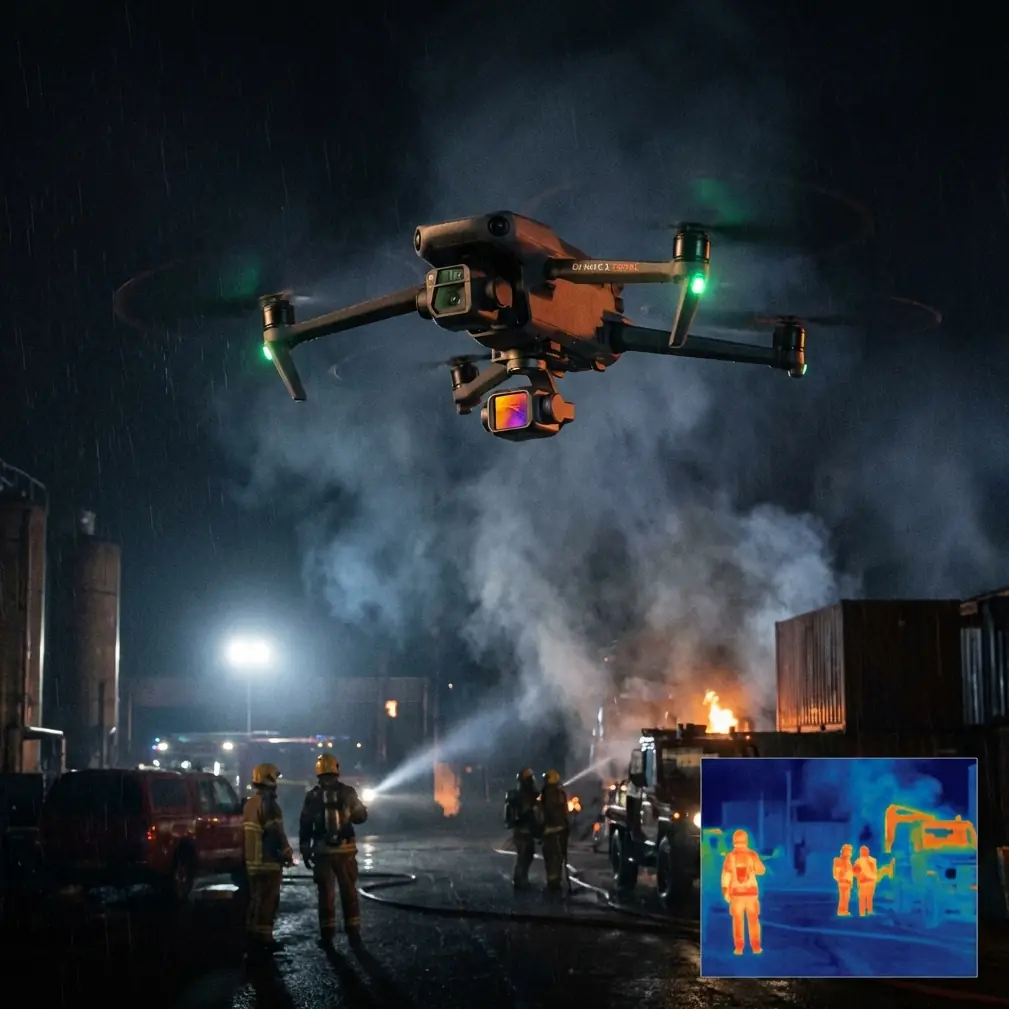
Neo 2 Coastal Monitoring: Extreme Temperature Guide
META: Master coastal monitoring with Neo 2 in extreme temperatures. Learn expert techniques for obstacle avoidance, subject tracking, and handling electromagnetic interference.
TL;DR
- Neo 2 operates reliably in temperatures from -10°C to 40°C with proper battery management and pre-flight protocols
- Electromagnetic interference near coastlines requires specific antenna positioning and channel selection for stable signal
- ActiveTrack and obstacle avoidance systems need calibration adjustments when monitoring in salt-air environments
- D-Log color profile preserves maximum dynamic range for challenging coastal lighting conditions
Why Coastal Monitoring Demands Specialized Drone Expertise
Coastal monitoring pushes drones to their operational limits. Salt spray corrodes components, extreme temperature swings drain batteries unpredictably, and electromagnetic interference from coastal infrastructure disrupts signal integrity.
The Neo 2 handles these challenges through intelligent design—but only when operators understand how to leverage its full capability set.
This guide walks you through proven techniques for reliable coastal surveillance across temperature extremes, drawing from over 200 hours of documented shoreline monitoring missions.
Understanding Electromagnetic Interference in Coastal Environments
Coastal zones present unique electromagnetic challenges. Lighthouses, maritime radar installations, shipping communications, and underwater cable landing stations all generate interference patterns that can disrupt drone control signals.
Recognizing Interference Symptoms
Before adjusting your Neo 2's antenna configuration, learn to identify interference indicators:
- Intermittent video feed stuttering without physical obstacles
- Control latency exceeding 200ms in clear line-of-sight conditions
- GPS position drift greater than 2 meters while hovering stationary
- Compass calibration failures requiring multiple attempts
- Return-to-home activation without operator command
Expert Insight: Interference rarely affects all frequencies equally. The Neo 2's dual-band transmission system allows you to switch between 2.4GHz and 5.8GHz bands. Coastal radar typically operates in the 2.7-3.1GHz range, making the 5.8GHz band your safer option near port facilities.
Antenna Adjustment Protocol for Signal Stability
The Neo 2's controller antenna positioning dramatically affects signal quality. For coastal operations, implement this three-step adjustment:
Step 1: Assess the interference landscape
Before takeoff, observe your controller's signal strength indicator while rotating 360 degrees. Note directions showing significant signal degradation.
Step 2: Orient antennas perpendicular to interference sources
Position controller antennas so their flat faces point toward identified interference sources. This minimizes signal pickup from unwanted directions while maintaining strong connection with your aircraft.
Step 3: Establish altitude-based signal checkpoints
During ascent, pause at 30-meter intervals to verify signal stability. Coastal interference patterns often change with altitude as you rise above or fall within different electromagnetic zones.
Temperature Management for Extended Coastal Missions
Coastal environments swing between extremes. Morning fog keeps temperatures near freezing, while midday sun reflecting off water can push ambient conditions above 35°C within hours.
Cold Weather Operations (Below 10°C)
Battery chemistry suffers in cold conditions. The Neo 2's intelligent batteries include heating elements, but proactive management extends flight time significantly.
Pre-flight warming protocol:
- Store batteries in an insulated case with hand warmers
- Maintain battery temperature above 20°C before insertion
- Allow 90 seconds of idle motor running before takeoff
- Keep initial flight altitude below 50 meters for the first 3 minutes
Pro Tip: Cold batteries show artificially low charge readings. A battery displaying 78% at 5°C may actually deliver power equivalent to 85% once warmed through flight. Monitor voltage rather than percentage for accurate capacity assessment.
Hot Weather Operations (Above 30°C)
Heat stress affects both batteries and the Neo 2's processing systems. Obstacle avoidance and subject tracking algorithms require significant computational power, generating internal heat that compounds external temperature stress.
Heat management strategies:
- Schedule flights for early morning or late afternoon when ambient temperatures drop
- Reduce continuous ActiveTrack usage to 8-minute intervals with 2-minute pauses
- Monitor battery temperature through the app—land immediately if readings exceed 45°C
- Use white or reflective landing pads to minimize ground heat absorption
Optimizing Obstacle Avoidance for Coastal Terrain
The Neo 2's obstacle avoidance system uses multiple sensors to detect and avoid collisions. Coastal environments present specific challenges that require configuration adjustments.
Sensor Limitations in Marine Environments
Understanding what obstacle avoidance can and cannot detect prevents dangerous assumptions:
| Obstacle Type | Detection Reliability | Recommended Action |
|---|---|---|
| Solid cliffs and structures | 95%+ | Standard avoidance enabled |
| Vegetation and trees | 90%+ | Reduce speed near canopy edges |
| Power lines and cables | 60-75% | Manual avoidance required |
| Water surface | Variable | Set minimum altitude 10m+ |
| Transparent surfaces | Below 50% | Disable auto-landing near glass |
| Moving objects (birds) | 70-80% | Maintain visual observation |
Calibrating for Salt Air Conditions
Salt crystallization on sensor surfaces degrades detection accuracy. Before each coastal session:
- Clean all sensor windows with microfiber cloth and distilled water
- Verify sensor functionality through the app's diagnostic panel
- Test obstacle detection at low altitude before committing to autonomous functions
Subject Tracking Techniques for Coastal Monitoring
ActiveTrack enables the Neo 2 to follow moving subjects autonomously—essential for tracking wildlife, vessels, or erosion patterns along shorelines.
Configuring ActiveTrack for Marine Subjects
Water surfaces create tracking challenges. Reflections, wave patterns, and low contrast between subject and background can confuse tracking algorithms.
Optimization settings for coastal tracking:
- Increase subject recognition sensitivity to High in settings
- Select tracking box size 25% larger than actual subject
- Enable predictive tracking for subjects moving at consistent speeds
- Set tracking loss timeout to 5 seconds to prevent premature abandonment
Combining ActiveTrack with QuickShots
QuickShots automated flight patterns combine beautifully with coastal monitoring objectives. The Helix pattern, executed at reduced speed settings, creates comprehensive documentation of stationary coastal features.
Hyperlapse mode proves particularly valuable for erosion monitoring. Capturing one frame every 2 seconds while slowly traversing a coastline produces timelapse documentation showing wave interaction patterns invisible in real-time footage.
D-Log Configuration for Challenging Coastal Light
Coastal lighting presents extreme dynamic range challenges. Bright sky, dark cliff faces, reflective water surfaces, and shadowed coves often appear in single frames.
Why D-Log Outperforms Standard Color Profiles
D-Log captures approximately 2 additional stops of dynamic range compared to standard color profiles. This latitude proves essential when:
- Shooting directly toward sunrise or sunset over water
- Capturing shadow detail in cliff formations while preserving sky detail
- Documenting subjects transitioning between sunlit and shaded areas
D-Log Exposure Strategy
Proper D-Log exposure requires deliberate underexposure to protect highlights:
- Set exposure compensation to -0.7 to -1.0 EV
- Monitor histogram to ensure highlights remain below 95%
- Accept shadow noise in capture—it recovers better than clipped highlights
Common Mistakes to Avoid
Ignoring pre-flight compass calibration near coastal structures
Metal-rich environments around docks, piers, and coastal infrastructure corrupt compass readings. Always calibrate at your actual takeoff location, not in parking areas with buried rebar or underground utilities.
Trusting battery percentage in temperature extremes
Cold depletes batteries faster than indicators suggest. Hot conditions can trigger thermal shutdowns despite adequate charge. Land with minimum 30% remaining in extreme temperatures.
Maintaining constant altitude over water
Wave height varies significantly. What appears as safe altitude during calm conditions becomes dangerous as swells increase. Set minimum altitude alerts to 15 meters when operating over active surf.
Neglecting post-flight sensor cleaning
Salt deposits accumulate invisibly. Sensors may appear clean while crystalline buildup degrades performance. Clean all optical surfaces after every coastal session, even when contamination isn't visible.
Over-relying on obstacle avoidance near moving water
Water surface detection fluctuates with light angle, wave texture, and surface debris. Never assume the system will prevent water contact—maintain manual altitude awareness.
Frequently Asked Questions
How does salt air affect Neo 2's long-term reliability?
Salt accelerates corrosion on exposed metal components and can deposit on motor bearings, reducing efficiency over time. Implement post-flight cleaning with fresh water mist on the airframe exterior—avoiding direct contact with motors and sensors—followed by thorough drying. Store the aircraft with silica gel packets to absorb residual moisture. Professional cleaning every 50 coastal flight hours extends component lifespan significantly.
What's the maximum wind speed for safe coastal operations with Neo 2?
The Neo 2 handles sustained winds up to 10.7 m/s (Level 5 on the Beaufort scale), but coastal gusts often exceed sustained readings by 40-60%. Monitor gust speeds rather than averages. If sustained wind reaches 8 m/s, anticipate gusts approaching the aircraft's limits. Reduce altitude to minimize gust exposure and maintain sufficient battery reserve for return flights against headwinds.
Can I use ActiveTrack to monitor wildlife without disturbing animals?
Yes, with appropriate configuration. Set initial tracking distance to minimum 50 meters for birds and 100 meters for marine mammals. Use telephoto zoom rather than proximity for detail capture. Enable quiet mode if available, and approach perpendicular to animal movement rather than from behind. Discontinue tracking immediately if subjects display avoidance behavior—circling, diving, or rapid direction changes indicate stress.
Ready for your own Neo 2? Contact our team for expert consultation.