
Neo 2: Precision Mapping for Coastal Surveys
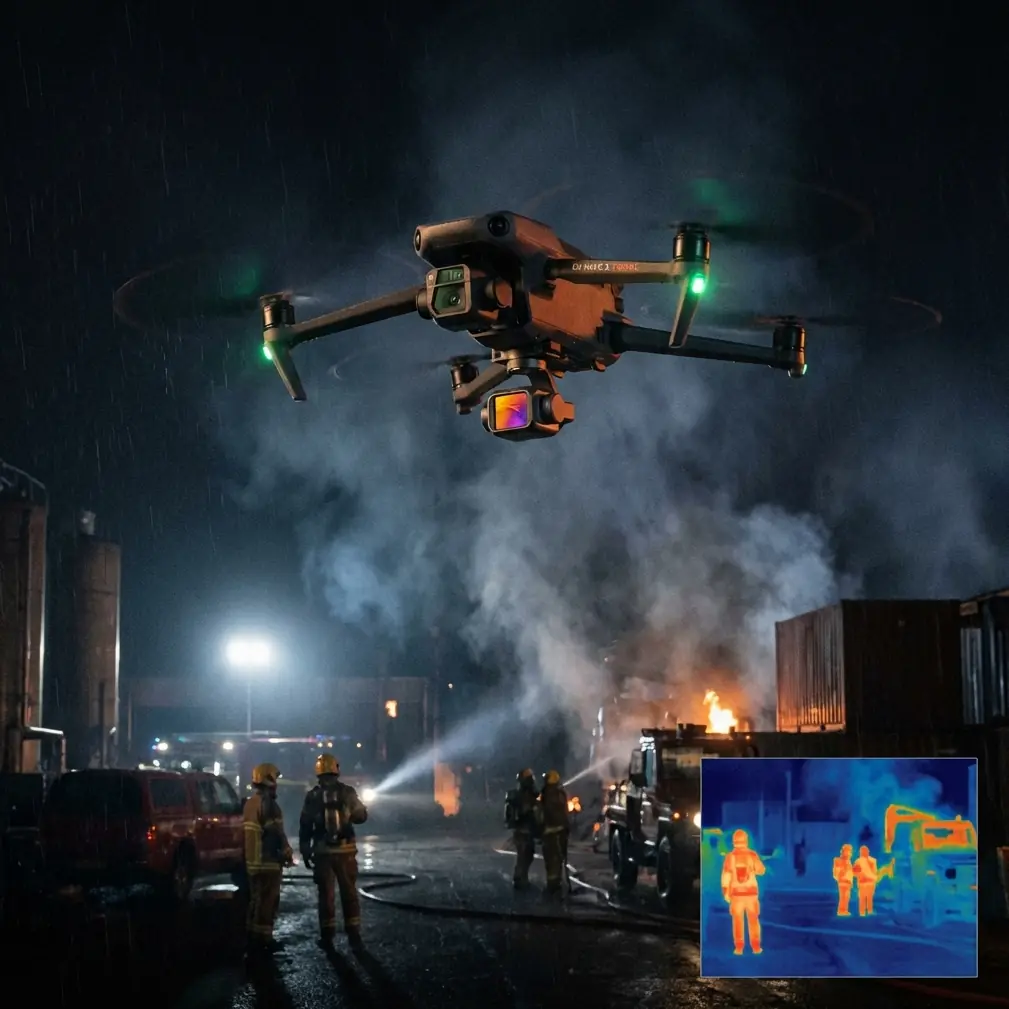
Neo 2: Precision Mapping for Coastal Surveys
META: Discover how the Neo 2 drone transforms coastal mapping with obstacle avoidance, ActiveTrack, and D-Log color profiles for stunning aerial survey results.
TL;DR
- The Neo 2 solves critical coastal mapping challenges including wind interference, salt spray navigation, and inconsistent lighting over water
- ActiveTrack and obstacle avoidance systems keep the drone locked on survey paths even in turbulent coastal conditions
- D-Log color profiles and Hyperlapse modes produce professional-grade survey footage that captures erosion patterns and shoreline changes with scientific accuracy
- QuickShots automation reduces manual flight planning, letting solo operators cover more coastline per session
The Problem: Coastal Mapping Pushes Consumer Drones to Their Limits
Coastal survey work breaks drones. I learned this the hard way two years ago when I lost an entire day of mapping data along the Oregon coast because my previous drone couldn't handle crosswinds above a rocky headland. The footage was shaky, the GPS lock kept dropping near cliff faces, and the obstacle avoidance system treated every gust-blown piece of sea spray as a collision threat.
If you've attempted coastline mapping with a drone that wasn't built for the task, you already know the frustration. This guide breaks down exactly how the Neo 2 addresses every major pain point in coastal aerial surveying—from wind stability and intelligent flight paths to color science that actually captures the subtle blues, greens, and geological textures that make survey data useful.
Why Traditional Drone Mapping Fails at the Coast
Coastal environments present a unique combination of hazards that most drone platforms simply weren't designed to handle simultaneously.
Wind and Turbulence
Headlands, cliff faces, and thermal boundaries between land and sea create unpredictable wind shear. A drone hovering steadily at 30 meters over flat terrain may become uncontrollable at the same altitude near a coastal bluff where updrafts and downdrafts collide.
Reflective Water Surfaces
Standard sensors struggle with the high dynamic range found at coastlines. The contrast between dark volcanic rock, white surf, and reflective open water can confuse both cameras and obstacle avoidance sensors.
GPS Multipath Errors
Signal reflection off cliff faces and large rock formations creates GPS multipath interference, causing position drift at precisely the moments when accurate mapping coordinates matter most.
Limited Access and Time Windows
Tidal cycles dictate when you can map intertidal zones. You often have a two-to-three-hour window around low tide to capture the data you need. Equipment failures or slow workflows during these windows mean waiting for the next tidal cycle—sometimes days away.
How the Neo 2 Solves Each Coastal Challenge
Intelligent Obstacle Avoidance That Understands Context
The Neo 2's obstacle avoidance system doesn't just detect objects—it differentiates between genuine hazards and environmental noise. During my first coastal deployment with the Neo 2 along the Big Sur coastline, the system correctly identified cliff faces and sea stacks while ignoring transient interference from mist and sea spray.
This contextual awareness means you can fly closer to geological features without the drone executing unnecessary emergency stops. For mapping purposes, this translates to higher-resolution captures of erosion patterns, nesting sites, and sediment deposits.
Expert Insight: When mapping near cliff faces, set the obstacle avoidance sensitivity to its middle tier rather than maximum. The Neo 2's mid-range setting provides reliable collision prevention while allowing you to maintain flight paths within 3-5 meters of rock faces—close enough for detailed geological documentation.
ActiveTrack for Autonomous Shoreline Following
Manual piloting along a winding coastline is exhausting and produces inconsistent results. The Neo 2's ActiveTrack system can lock onto the shoreline itself, using the contrast boundary between land and water as its tracking reference.
This approach delivers several advantages for coastal mapping:
- Consistent altitude and distance from the shoreline throughout the entire survey
- Reduced operator fatigue during long mapping sessions
- Repeatable flight paths for time-series erosion studies
- Smoother footage because the drone's AI handles micro-corrections faster than human reflexes
- Greater coverage per battery since the system optimizes flight paths automatically
Subject Tracking Beyond Simple Follow Modes
The subject tracking capabilities extend beyond just following a visual target. The Neo 2 allows you to define complex tracking behaviors—orbiting a sea stack while maintaining a fixed camera angle, or following a tidal channel inland while gradually descending to capture increasing detail.
For a recent project documenting tidal pool ecosystems along the California coast, I used subject tracking to orbit individual pool clusters at 5-meter radius circles, capturing 360-degree documentation of each site in under 90 seconds.
D-Log: The Color Science Coastal Mapping Demands
Standard color profiles crush shadow detail in dark rock formations while simultaneously blowing out highlights on white surf and wet sand. The Neo 2's D-Log profile captures a flat, information-rich image that preserves the full dynamic range of coastal scenes.
Why does this matter for mapping? Because color and tonal information in survey imagery isn't just aesthetic—it's data. Geologists use subtle color variations to identify:
- Mineral composition in exposed rock faces
- Moisture content in cliff materials (indicating erosion vulnerability)
- Algae and biological growth patterns on intertidal surfaces
- Sediment transport paths visible through water color gradients
- Recent versus weathered fracture lines in coastal rock
Pro Tip: Always shoot in D-Log when mapping coastlines, even if the lighting looks "easy." Coastal light changes dramatically within minutes as marine layers shift. D-Log gives you up to three additional stops of dynamic range to work with in post-processing, ensuring consistent data quality across an entire survey session regardless of changing conditions.
QuickShots and Hyperlapse for Efficient Documentation
While QuickShots might seem like a consumer-oriented feature, these automated flight patterns serve a legitimate survey function. The Dronie, Circle, and Helix QuickShots produce standardized perspectives of survey sites that are invaluable for client presentations and stakeholder communication.
Hyperlapse mode proves especially useful for documenting tidal changes. Set the Neo 2 in a fixed position overlooking a survey area, engage Hyperlapse, and capture a complete tidal cycle compressed into a 30-second clip that immediately communicates the scope of intertidal zone exposure to non-technical stakeholders.
Technical Comparison: Coastal Mapping Capabilities
| Feature | Neo 2 | Typical Consumer Drone | Professional Survey Platform |
|---|---|---|---|
| Obstacle Avoidance | Multi-directional, context-aware | Basic forward/downward | Multi-directional |
| ActiveTrack | Advanced shoreline following | Simple subject follow | Waypoint-only |
| Color Profile | D-Log with wide dynamic range | Standard profiles only | RAW capture |
| QuickShots | Full suite with mapping utility | Limited presets | Not available |
| Hyperlapse | Built-in with stabilization | Basic timelapse only | Requires post-processing |
| Subject Tracking | Multi-axis with orbit capability | Single-axis follow | Manual programming |
| Wind Resistance | High stability in coastal gusts | Moderate | High |
| Portability | Backpack-portable for cliff access | Varies | Requires vehicle transport |
| Setup Time | Under 5 minutes | 5-10 minutes | 20-45 minutes |
| Learning Curve | Moderate | Low | Steep |
My Workflow: Mapping a Two-Kilometer Coastline
Here's the exact process I now use with the Neo 2 for coastal survey projects, refined over 14 separate deployments along the Pacific coast.
Pre-Flight Planning
- Check tide tables and plan for the two-hour window around predicted low tide
- Review wind forecasts at flight altitude, not ground level
- Identify obstacle avoidance sensitivity settings based on terrain complexity
- Pre-program ActiveTrack reference points using satellite imagery
Execution Phase
- Launch from a stable, elevated position above the high-tide line
- Engage D-Log color profile before starting any capture
- Activate ActiveTrack along the shoreline for the primary survey pass
- Use QuickShots at each pre-identified point of interest
- Switch to subject tracking for detailed documentation of specific features
- Run a Hyperlapse sequence at each major survey station
Post-Processing
- Apply standardized D-Log correction LUT for consistent color across all footage
- Stitch mapping imagery using photogrammetry software
- Export Hyperlapse sequences for stakeholder presentations
- Compare ActiveTrack flight paths with previous surveys for erosion measurement
Common Mistakes to Avoid
Flying too high for useful data. Many operators default to maximum altitude for safety. For coastal mapping, 15-30 meters provides the optimal balance between coverage area and image detail. Higher altitudes lose the subtle geological information that makes surveys valuable.
Ignoring D-Log in favor of "ready-to-use" color profiles. Standard color profiles look better on the drone's screen, but they permanently discard tonal information you may need later. Always capture in D-Log and correct in post-processing.
Skipping obstacle avoidance calibration for the specific environment. Coastal conditions vary dramatically between sandy beaches and rocky headlands. Take 60 seconds before each flight segment to verify your obstacle avoidance settings match the terrain you're about to fly.
Mapping at the wrong tidal state. Even 30 minutes of timing error can mean the difference between capturing a fully exposed intertidal platform and missing it entirely. Build buffer time into your schedule and arrive early.
Neglecting battery temperature in marine environments. Cool ocean air reduces battery performance. Keep spare batteries warm in an insulated case, and expect 10-15 percent less flight time in cold coastal conditions compared to manufacturer specifications.
Frequently Asked Questions
Can the Neo 2 handle salt air and moisture during coastal flights?
The Neo 2 performs reliably in typical coastal humidity and light mist conditions. However, no consumer-grade drone is rated for direct salt spray exposure. After every coastal flight session, wipe down all external surfaces with a lightly dampened microfiber cloth and allow the drone to dry completely in a ventilated space. Pay special attention to the obstacle avoidance sensors and camera lens, as salt residue degrades optical clarity and sensor accuracy over time.
How does ActiveTrack perform when the shoreline curves sharply around headlands?
ActiveTrack handles gradual to moderate coastline curves smoothly, maintaining consistent distance and altitude. At sharp headlands where the shoreline turns more than 90 degrees, the system occasionally requires manual intervention to re-establish the tracking reference. My approach is to pause ActiveTrack at sharp turns, manually reposition the drone around the headland, and then re-engage tracking on the new shoreline segment. This takes about 15 seconds and ensures clean, continuous survey data.
Is D-Log necessary for every coastal mapping flight, or can standard profiles work?
D-Log is strongly recommended for any flight where the captured imagery will be used for analytical purposes—erosion measurement, geological documentation, environmental monitoring. Standard color profiles apply aggressive contrast curves and saturation adjustments that permanently alter tonal relationships in the image data. For purely promotional or social media content where visual impact matters more than data integrity, standard profiles can save post-processing time. For professional survey work, D-Log is non-negotiable.
Coastal mapping demands a drone that treats challenging environments as its default operating condition, not an edge case. The Neo 2 bridges the gap between consumer accessibility and professional survey capability, giving solo operators and small teams the tools to produce mapping data that stands up to scientific scrutiny. Its combination of intelligent obstacle avoidance, ActiveTrack shoreline following, and D-Log color science makes it the most practical platform I've used for coastal work in five years of aerial survey photography.
Ready for your own Neo 2? Contact our team for expert consultation.