
Neo 2 for High-Altitude Venue Inspection
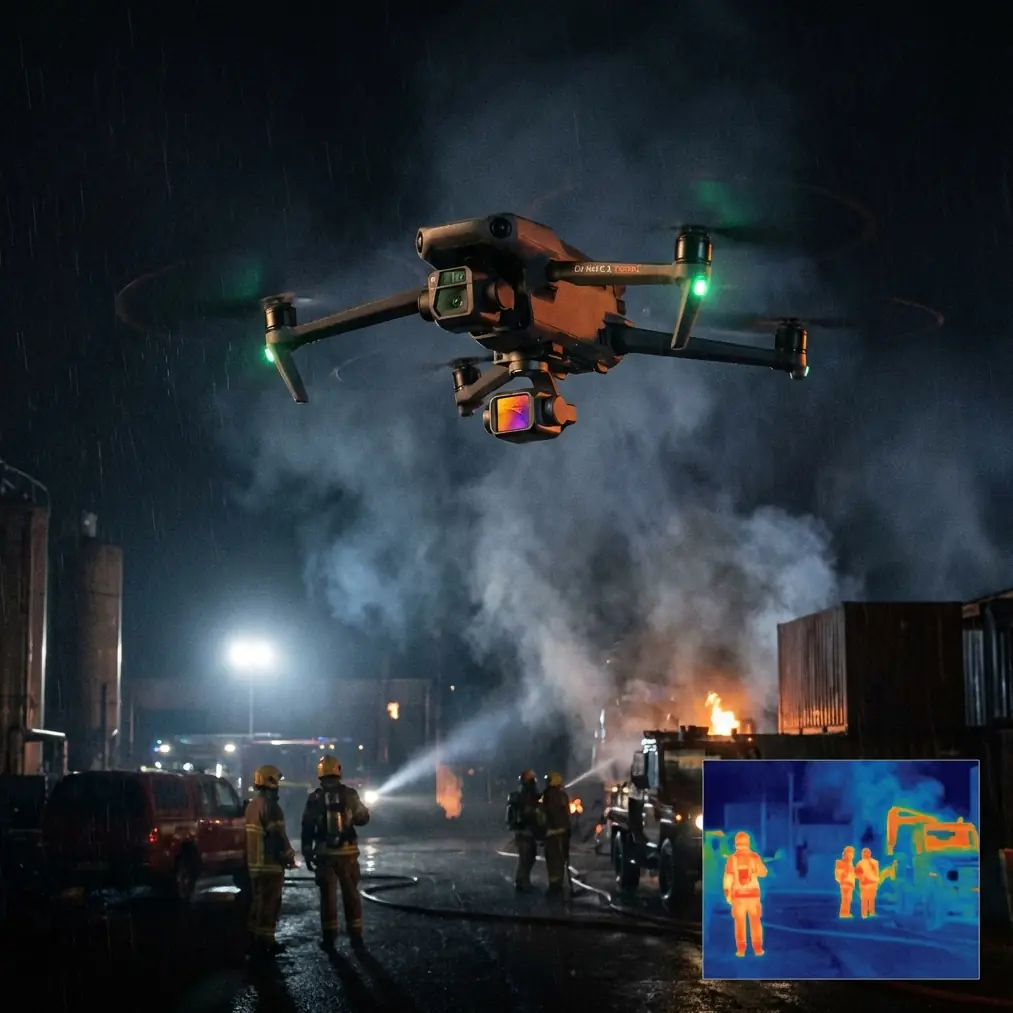
Neo 2 for High-Altitude Venue Inspection: What Actually Matters on Site
META: A practical expert guide to using Neo 2 for high-altitude venue inspection, with insight on obstacle avoidance, tracking, flight control, image profiles, and real-world operational decisions.
High-altitude venue inspection looks clean on paper. In the field, it rarely is.
You arrive at a mountain amphitheater, ski-event staging area, hilltop resort, or elevated sports complex expecting a tidy aerial pass. Instead, you get thin air, shifting wind, irregular terrain, crowded structures, and a background full of visual clutter that can confuse both pilot and camera. The challenge is not just getting airborne. It is capturing useful inspection footage without wasting battery cycles, missing structural details, or flying too cautiously to finish the job.
That is where the Neo 2 conversation gets interesting.
I am approaching this as a photographer first, but also as someone who understands that venue inspection is not a beauty flight. The drone has to help you verify roof edges, lighting trusses, cable runs, access routes, facade wear, temporary event infrastructure, and surrounding approach conditions. A good aircraft for this kind of work needs to reduce pilot workload while preserving enough image control to make the footage usable later. On that front, the Neo 2 feature set points to a very practical balance: obstacle avoidance, subject tracking, ActiveTrack-style follow logic, QuickShots, Hyperlapse, and D-Log flexibility all have operational value when used correctly.
The mistake many operators make is treating those as lifestyle features. At altitude, they become decision-making tools.
The real problem with venue inspection above sea level
High-altitude sites compress your margin for error.
Even before you think about image quality, the environment changes how you fly. Wind tends to be less predictable around ridgelines and open seating structures. Terrain rises quickly beneath the aircraft, which can make visual distance deceptive. Access roads may snake around cliffs or tree lines. Grandstands, light poles, suspended cables, canopies, and temporary staging all create a dense obstacle picture that is much harder to read from the ground than from a planning map.
Now add inspection-specific demands. You are not simply orbiting a building for a nice reveal. You need repeatable viewpoints. You need enough stability to assess cracking, drainage issues, roof membrane condition, signage placement, or safe pedestrian flow. You may need to compare different sections of a venue in one session. And if weather windows are narrow, every automated assistance feature has to work in service of documentation rather than entertainment.
That is why obstacle avoidance matters more at altitude than many people assume. A venue on flat ground usually gives you cleaner recovery options. A venue built into a slope does not.
Where Neo 2 helps: reducing cognitive load in complex airspace
The strongest case for Neo 2 in this scenario is not one single headline feature. It is the way several systems can work together to simplify flights that would otherwise demand constant manual correction.
Obstacle avoidance is the obvious starting point. Around elevated venues, danger rarely comes from one large object you can easily see. It comes from layered hazards: a protruding roofline beyond a parapet, guy wires near event tents, trees rising along an outer service road, or support beams that enter the flight path during a lateral inspection pass. A drone with reliable sensing gives you a second line of protection when your attention is split between framing, telemetry, and wind behavior.
That has real operational significance. If you are inspecting seating canopies or upper exterior walls, obstacle awareness allows you to hold a more useful line closer to the structure instead of staying so far back that small defects vanish in wide framing. Inspection quality improves because the pilot can work with more confidence and fewer abrupt corrections.
ActiveTrack and subject tracking may sound less relevant to a static venue, but in practice they are valuable when the “subject” is not just a person. On mixed-use inspection days, you often need to document vehicle access routes, maintenance team movement, shuttle circulation, or footpath approaches from parking or service zones. Tracking tools can help maintain a consistent relationship to a moving point of interest, which is especially useful when the terrain itself is distracting and the pilot needs to focus on safe route management.
This also helps during pre-event walkthroughs. If a site manager is moving through key access areas, a tracking-capable drone can document the route and surrounding conditions in a way that is easier to interpret later than isolated stills or disconnected clips.
Why D-Log matters for inspections, not just for creators
A lot of people hear “D-Log” and immediately think of cinematic grading. That misses the point.
For high-altitude venues, lighting is often harsh and inconsistent. Snow glare, reflective roofs, pale concrete, dark seating under overhangs, and deep mountain shadows can all appear in the same flight. A flatter capture profile such as D-Log can preserve more usable tonal information across that spread, giving you better chances of recovering detail when reviewing facade wear, drainage marks, edge damage, or structural contrast issues back at a workstation.
That is not an artistic luxury. It is a documentation advantage.
If you are evaluating whether moisture staining extends beneath a roof lip, or whether material fatigue is visible along a dark structural seam while the surrounding sky is extremely bright, a more flexible image profile can make the difference between useful evidence and a clip that looks dramatic but hides the problem.
For photographers transitioning into technical venue work, this is one of the most underrated benefits. You may not deliver a fully graded video at all. But starting with footage that carries more post-processing latitude gives you a stronger inspection record.
QuickShots and Hyperlapse are not throwaway tools
There is a tendency to dismiss automated modes in inspection workflows. That is too simplistic.
QuickShots can be useful for generating standardized overview perspectives fast, especially when you need a broad visual summary before flying closer inspection passes. If you manage multiple venue zones in a short window, obtaining a rapid, repeatable establishing view can save time and help organize the rest of the mission. Used carefully, these modes can create a clean top-level record of venue layout, approach roads, surrounding tree lines, slope exposure, and crowd-flow bottlenecks.
Hyperlapse has a place too. At high-altitude venues, environmental change is often part of the story. Clouds move quickly. Shadows migrate across seating. Wind interacts differently with banners, temporary roofing, fencing, or staging elements over time. A hyperlapse sequence can reveal patterns you would never spot in static images, such as recurring gust exposure on a specific corner of a structure or changing visibility on an upper access route.
The key is intent. These features become valuable when they answer inspection questions.
A field example: wildlife, sensors, and why situational awareness still wins
One mountain venue survey stays with me because it summed up exactly how these systems should be used.
We were documenting the outer perimeter of an elevated event space bordered by pines and a descending service track. The plan was simple: establish the ridge-facing seating geometry, inspect roof edges over the hospitality area, then trace the path from the upper loading zone down toward emergency access. Midway through a slow lateral pass, a large bird cut across the scene from the tree line. A few seconds later, two more emerged lower and farther right, likely riding the same wind seam that was pressing against the venue’s outer edge.
The drone’s sensing and avoidance behavior helped prevent a bad reaction. Instead of overcorrecting into the structure or dropping abruptly toward the slope, I had enough support from the aircraft’s awareness systems to hold control and create separation cleanly. That moment mattered for two reasons. First, wildlife interactions are not hypothetical at elevated sites; they are common enough that any serious operator should plan for them. Second, obstacle sensing is not just about architecture. It supports safer decision-making when the environment becomes dynamic.
The footage itself also proved useful later. Because the aircraft stayed stable, we preserved a continuous visual record of the perimeter fencing and roofline we were inspecting before the encounter. No need to repeat the pass in deteriorating wind.
That is the operational payoff. Smart sensing buys continuity.
Building a better inspection workflow with Neo 2
To get the most from Neo 2 at high altitude, the workflow matters as much as the specification sheet.
Start with a wide reconnaissance pass. Use a stable automated overview mode or a carefully flown manual orbit to understand how the venue sits against the terrain. Identify hazard layers early: cables, poles, trees, temporary structures, snowbanks, steep drop-offs, and reflective surfaces.
Then divide the site into inspection zones. Roof edges. Seating structures. Access routes. External utilities. Drainage paths. Perimeter barriers. This reduces random flying and makes your footage easier to review later.
For close structural passes, obstacle avoidance should be working for you, but not replacing judgment. Sensor support is strongest when it complements deliberate route planning. Around fine lines, transparent materials, or low-contrast edges, any pilot should stay conservative.
When documenting movement through the site, tracking tools can reduce the constant micro-adjustments that exhaust pilots in complex terrain. If a facilities lead is walking the intended VIP route, service path, or emergency access lane, tracking can help create a coherent overhead record without requiring the drone to lurch from point to point.
Use D-Log when the venue’s light range is severe. On mountain sites, that happens often. You are trying to preserve options for analysis, not merely produce an attractive clip.
Reserve Hyperlapse for conditions that change over time in ways relevant to operations. Wind loading, crowd ingress rehearsal, fog movement, or shadow progression over spectator areas can all justify it.
And always account for altitude in your planning rhythm. Even with a capable compact platform, elevated environments reward shorter, more disciplined flights over long, optimistic ones.
Why this matters for venue teams
The best drone inspection is not the one with the most dramatic footage. It is the one that helps a venue team act.
Can the operations manager identify a drainage issue before an event weekend? Can the maintenance crew see exactly which roof edge needs attention? Can planners verify whether a mountain access route remains clear and visible? Can marketing and operations share one aerial record instead of commissioning separate flights? Those are the questions that turn a drone from a gadget into a working tool.
Neo 2 stands out in this context because its highlighted capabilities map cleanly to real site tasks. Obstacle avoidance reduces risk near dense structures and uneven terrain. ActiveTrack and subject tracking help document movement and route logic. QuickShots and Hyperlapse can accelerate standardized visual records when used with discipline. D-Log gives inspection teams more image latitude under punishing mountain light.
That combination makes sense for venue professionals who need agility without abandoning image integrity.
If you are planning inspections at altitude and want to compare workflows for your own site conditions, I often recommend starting the conversation with a real mission profile rather than a shopping list. You can share that directly here via WhatsApp mission planning chat.
The bigger lesson is simple. High-altitude venue inspection is not about flying farther or flashier. It is about preserving clarity while the environment tries to take it away. A drone like Neo 2 earns its place when its automated tools support that goal instead of distracting from it.
Used thoughtfully, it can help you finish the day with a cleaner record of the venue, fewer repeat flights, and better decisions on the ground.
Ready for your own Neo 2? Contact our team for expert consultation.