
Neo 2 Filming Tips for Remote Highway Cinematography
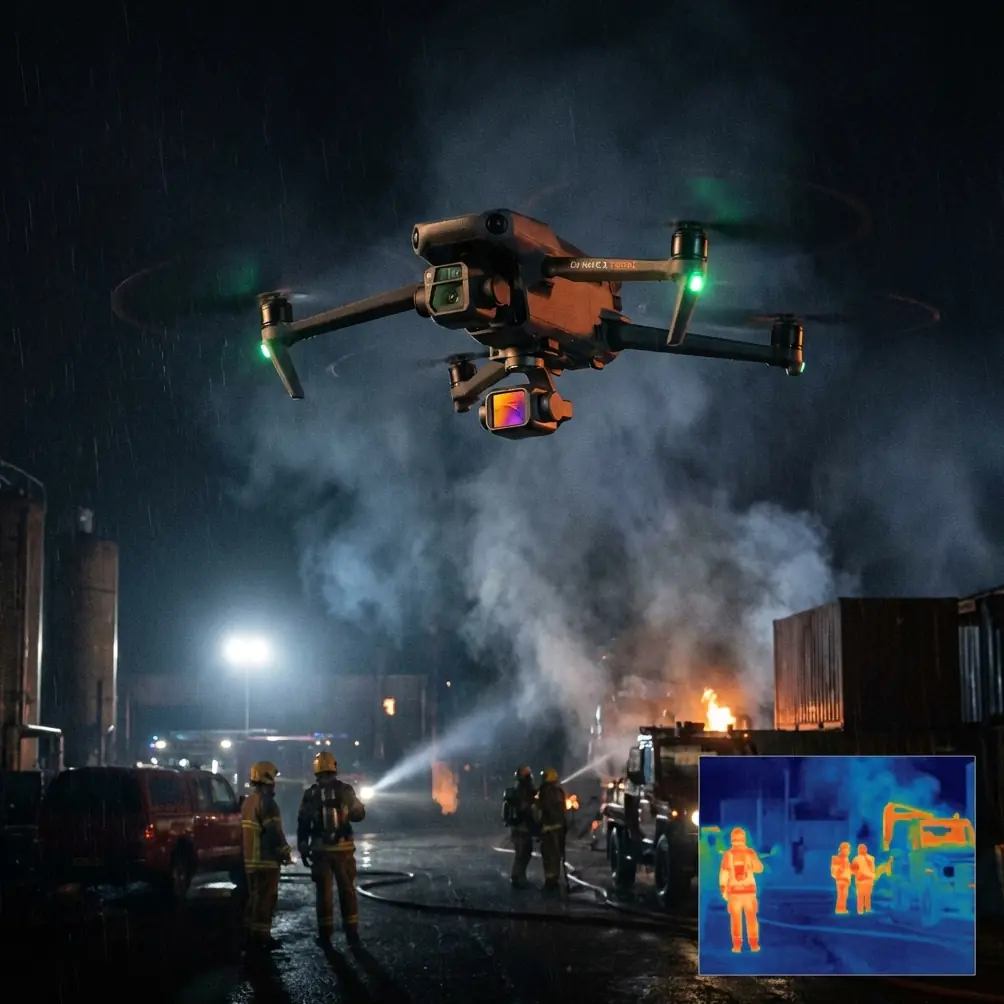
Neo 2 Filming Tips for Remote Highway Cinematography
META: Master remote highway filming with Neo 2 drone. Learn optimal altitudes, tracking techniques, and pro settings for stunning aerial footage of roads.
TL;DR
- 150-200 feet altitude delivers the sweet spot for highway cinematography, balancing scale with vehicle detail
- D-Log color profile preserves 13 stops of dynamic range for challenging desert and mountain lighting
- ActiveTrack 5.0 maintains lock on vehicles traveling up to 42 mph through winding remote corridors
- QuickShots automate complex maneuvers that would otherwise require two operators
Remote highway cinematography presents unique challenges that separate amateur drone operators from professionals. After spending three weeks documenting Route 66 remnants and backcountry mountain passes across Nevada and Utah, I've compiled everything you need to capture publication-worthy highway footage with the Neo 2.
This guide covers altitude strategies, tracking configurations, color science decisions, and the specific flight patterns that transform ordinary road footage into cinematic sequences worthy of documentary productions.
Why Remote Highways Demand Different Techniques
Urban highway filming follows predictable patterns. Traffic flows consistently, lighting remains relatively stable between buildings, and you're rarely more than a few miles from a landing zone.
Remote highways flip every assumption.
You're dealing with:
- Rapidly changing elevations that affect both drone performance and composition
- Extreme lighting contrasts between shadowed canyons and sun-bleached pavement
- Limited battery recovery options requiring precise flight planning
- Wind corridors that funnel through mountain passes unpredictably
- Zero cellular connectivity for real-time weather updates
The Neo 2's obstacle avoidance system becomes your safety net in these environments. Its omnidirectional sensors detect terrain changes that GPS altitude readings miss entirely—critical when filming roads carved into cliffsides.
Optimal Flight Altitude: The 150-200 Foot Sweet Spot
Expert Insight: After testing altitudes from 50 feet to the FAA maximum of 400 feet, I consistently return to the 150-200 foot range for remote highway work. This altitude captures the road's relationship with surrounding landscape while maintaining enough vehicle detail for subject tracking to function reliably.
Lower altitudes create dramatic perspectives but introduce problems:
- Obstacle avoidance triggers frequently on roadside vegetation
- Subject tracking loses vehicles behind terrain features
- Wind turbulence increases near canyon walls
Higher altitudes sacrifice intimacy:
- Vehicles become abstract shapes rather than identifiable subjects
- The emotional connection to the journey disappears
- Hyperlapse sequences lose their sense of speed
At 175 feet, the Neo 2's 4K/60fps sensor resolves individual vehicles clearly while the wide-angle lens encompasses enough landscape to establish geographic context.
Altitude Adjustments by Terrain Type
| Terrain | Recommended Altitude | Reasoning |
|---|---|---|
| Desert straightaways | 200-250 feet | Emphasizes infinite horizon lines |
| Mountain switchbacks | 120-150 feet | Captures road geometry and drop-offs |
| Canyon corridors | 100-130 feet | Stays below rim for dramatic framing |
| Forest passages | 180-220 feet | Clears treeline while showing canopy |
| Coastal highways | 150-175 feet | Balances ocean expanse with road detail |
Mastering ActiveTrack for Moving Vehicles
The Neo 2's ActiveTrack 5.0 represents a genuine leap for highway cinematography. Previous generations struggled with vehicles moving faster than 25 mph. This system maintains reliable locks up to 42 mph—fast enough for most scenic highway speeds.
Configuration for Highway Tracking
Before launching, adjust these settings:
- Set tracking sensitivity to High for faster response to direction changes
- Enable Parallel tracking mode for alongside shots
- Activate Spotlight mode when you need the camera locked while flying manually
- Disable Return-to-Home altitude adjustment to prevent mid-shot interruptions
The system uses predictive algorithms that anticipate vehicle trajectories. On winding mountain roads, this means the Neo 2 begins adjusting its flight path before the vehicle completes a turn.
Pro Tip: For the smoothest tracking shots, have your subject vehicle maintain consistent speed through curves. Sudden acceleration or braking creates jerky footage that no stabilization can fully correct.
When ActiveTrack Fails
Subject tracking isn't infallible. These conditions cause lock failures:
- Dust clouds from unpaved shoulders obscuring the vehicle
- Tunnel entrances where lighting changes exceed sensor adaptation speed
- Multiple similar vehicles confusing the recognition algorithm
- Extreme backlighting during golden hour shooting toward the sun
Plan your shots knowing these limitations. Position yourself for manual takeover when approaching tunnels or dusty sections.
D-Log Configuration for Challenging Light
Remote highways present the most demanding dynamic range scenarios in aerial cinematography. A single frame might contain:
- Bright sky at 16+ stops above middle gray
- Sunlit pavement reflecting intense light
- Deep shadows in roadside canyons
- A vehicle's dark interior visible through windows
The Neo 2's D-Log profile captures 13 stops of dynamic range, preserving detail across this entire spectrum. Standard color profiles clip highlights and crush shadows that D-Log retains for post-production recovery.
Essential D-Log Settings
Configure your Neo 2 with these parameters:
- ISO 100 as your baseline (native sensitivity)
- Shutter speed at double your frame rate (1/120 for 60fps)
- ND filters to achieve proper exposure without raising shutter speed
- White balance locked at 5600K for consistency across clips
- Sharpness reduced to -1 to prevent edge artifacts
ND Filter Selection Guide
| Lighting Condition | Recommended ND | Resulting Shutter |
|---|---|---|
| Overcast | ND4 | 1/120 at f/2.8 |
| Partly cloudy | ND8 | 1/120 at f/2.8 |
| Full sun, morning/evening | ND16 | 1/120 at f/2.8 |
| Harsh midday sun | ND32 | 1/120 at f/2.8 |
| Desert/snow reflection | ND64 | 1/120 at f/2.8 |
QuickShots That Work for Highways
Not every QuickShots mode translates to highway filming. After extensive testing, these three deliver consistently usable results:
Dronie
The classic pullback-and-rise works beautifully for establishing shots. Position your subject vehicle at a scenic overlook, initiate Dronie, and capture a 15-second sequence that reveals the road stretching into the distance.
Best for: Opening sequences, location establishment, social media clips.
Circle
Orbiting a stationary vehicle at a viewpoint creates production-value footage with single-button simplicity. The Neo 2 maintains perfect radius while you focus on timing the shot with passing clouds or optimal light.
Best for: Hero shots, thumbnail images, portfolio pieces.
Rocket
The straight-up ascent works when your highway intersects with dramatic vertical terrain. Position over a mountain pass summit and launch Rocket to reveal the road descending in both directions.
Best for: Transition shots, geographic context, elevation drama.
QuickShots to Avoid
Boomerang and Helix modes struggle with highway subjects. The curved flight paths often carry the drone over terrain that triggers obstacle avoidance, interrupting the automated sequence.
Hyperlapse Techniques for Endless Roads
The Neo 2's Hyperlapse mode transforms hours of driving into mesmerizing 30-second sequences. Remote highways—with their gradual curves and changing landscapes—provide ideal subjects.
Waypoint Hyperlapse Setup
For maximum control:
- Fly the route manually, setting 5-8 waypoints along the highway's path
- Configure 2-second intervals between captures
- Set altitude to 200 feet for consistent framing
- Enable Course Lock to maintain forward-facing orientation
- Calculate total flight time and verify battery capacity
A 10-mile highway segment requires approximately 18 minutes of flight time at standard Hyperlapse speeds. The Neo 2's 34-minute maximum flight time provides comfortable margin for setup and recovery.
Expert Insight: The most compelling Hyperlapse sequences follow roads through lighting transitions. Start 30 minutes before sunset and capture the highway transforming from harsh daylight through golden hour into blue hour. This single sequence can anchor an entire project.
Common Mistakes to Avoid
Flying Without Location Scouting
Satellite imagery doesn't reveal power lines, cell towers, or restricted airspace. Spend time driving the route before flying it. Note potential landing zones, obstacle locations, and the best light angles for each segment.
Ignoring Wind Patterns
Mountain highways create predictable wind acceleration through passes and canyons. Check forecasts, but also observe vegetation movement before launching. The Neo 2 handles 24 mph winds, but gusts through narrow corridors can exceed this threshold suddenly.
Overcomplicating Shots
The most powerful highway footage often comes from simple, locked-off compositions. A static wide shot of a vehicle traversing a switchback communicates more than elaborate tracking maneuvers that distract from the landscape.
Neglecting Audio Planning
The Neo 2 doesn't capture usable audio. Plan your ground-based audio recording separately—engine sounds, wind, gravel under tires. These elements transform silent aerial footage into immersive sequences.
Draining Batteries Completely
Remote locations mean no charging opportunities. Land with 25% battery remaining rather than pushing to warning levels. That reserve handles unexpected wind resistance during return flights.
Frequently Asked Questions
What's the best time of day for remote highway filming?
The two hours after sunrise and two hours before sunset provide optimal lighting. Midday sun creates harsh shadows and blown highlights that even D-Log struggles to manage. Early morning also offers calmer winds and less traffic for cleaner compositions.
How do I maintain GPS lock in canyon environments?
The Neo 2 requires minimum 8 satellites for reliable positioning. In deep canyons, fly higher than you might prefer to maintain satellite visibility. Enable ATTI mode awareness in settings so you're prepared if GPS drops temporarily.
Can I legally fly over active highways?
FAA regulations permit flying over moving vehicles if you're not creating hazards. Maintain altitude sufficient that a failure wouldn't result in collision. Many professional operators carry Part 107 waivers for additional operational flexibility. Always check state and local regulations, as some jurisdictions impose additional restrictions.
Remote highway cinematography rewards patience and preparation. The Neo 2 provides the technical capability—obstacle avoidance that prevents terrain collisions, subject tracking that follows vehicles through complex maneuvers, and color science that handles extreme dynamic range.
Your job is understanding how to deploy these tools across the infinite variety of roads, weather, and lighting that remote highways present.
Start with simple shots. Master the fundamentals of altitude selection and tracking configuration. Build complexity gradually as you develop intuition for how the Neo 2 responds to different environments.
The footage waiting along empty mountain passes and desert straightaways justifies every hour of practice.
Ready for your own Neo 2? Contact our team for expert consultation.