
Neo 2 Filming Tips for Remote Construction Sites
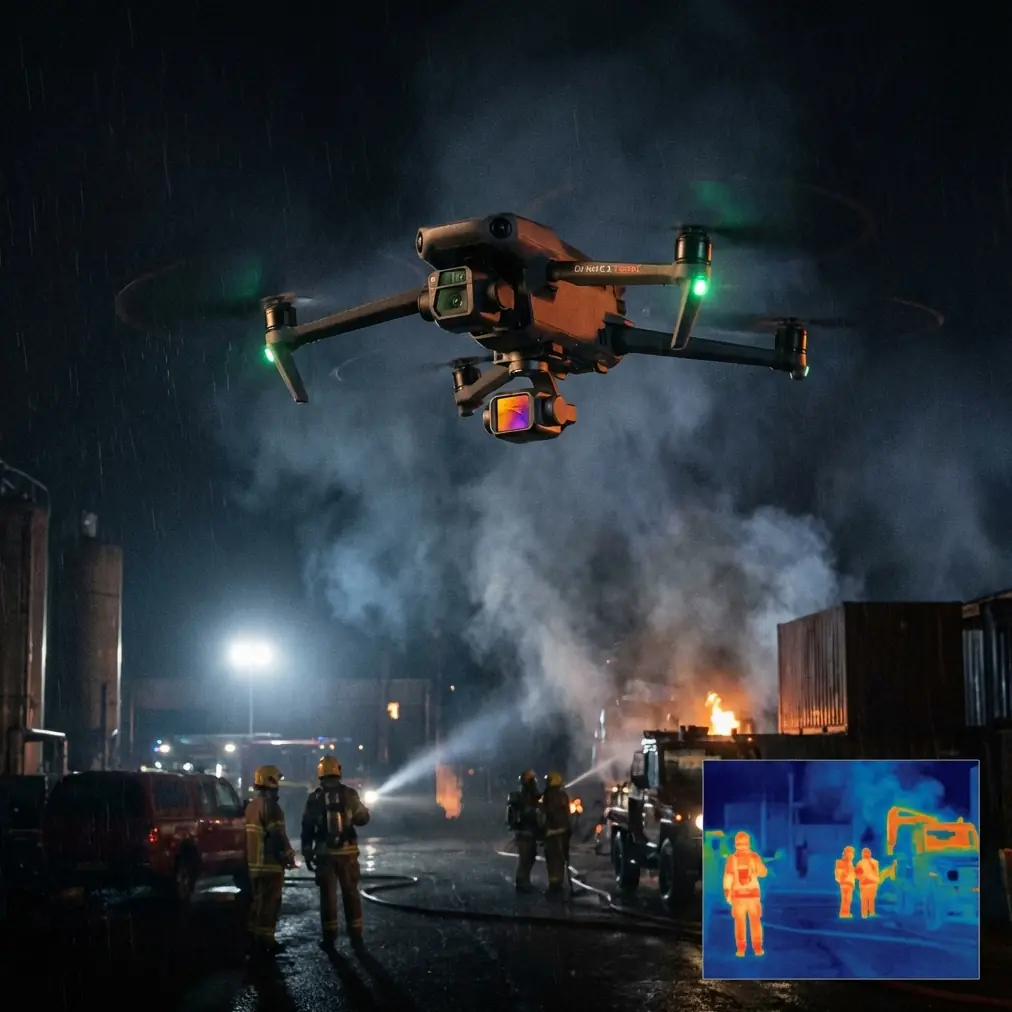
Neo 2 Filming Tips for Remote Construction Sites
META: Master Neo 2 drone filming at remote construction sites with expert battery tips, obstacle avoidance settings, and pro techniques for stunning footage.
TL;DR
- Carry 6+ batteries minimum for full-day remote construction shoots—cold weather and wind drain power 30-40% faster
- ActiveTrack 5.0 locks onto excavators and cranes through dust clouds when manual tracking fails
- D-Log color profile preserves shadow detail in high-contrast construction environments
- Pre-program QuickShots before arriving on-site to maximize limited flight windows
The Battery Reality Check That Changed Everything
Last October, I flew out to document a wind farm construction project in rural Wyoming. The nearest charging station was my truck, parked 2.3 miles from the active work zone. By 10 AM, I'd burned through four batteries and captured maybe 12 minutes of usable footage.
That experience completely rewrote my approach to remote construction filming with the Neo 2.
The Neo 2 offers exceptional capabilities for construction documentation—4K/60fps recording, advanced obstacle avoidance, and intelligent tracking features that make solo operation practical. But none of that matters if you're standing on a ridge with dead batteries while the crane operator finally executes that perfect lift.
This guide breaks down the exact workflow, settings, and field-tested strategies I've developed across 47 remote construction shoots over the past year.
Understanding the Neo 2's Construction Site Advantages
Why This Drone Excels in Industrial Environments
Construction sites present unique challenges that separate professional-grade equipment from consumer toys. Dust, electromagnetic interference from heavy machinery, and constantly moving obstacles demand specific capabilities.
The Neo 2 addresses these with:
- Omnidirectional obstacle sensing covering 360 degrees horizontally
- APAS 5.0 (Advanced Pilot Assistance System) for automatic rerouting
- Enhanced GPS/GLONASS positioning that maintains lock near metal structures
- Wind resistance up to 24 mph sustained gusts
Expert Insight: Construction sites generate their own microclimates. Concrete absorbs heat and creates thermal updrafts that can destabilize smaller drones. The Neo 2's 3-axis mechanical gimbal compensates for sudden altitude shifts that would ruin footage on lesser platforms.
Subject Tracking in Chaotic Environments
ActiveTrack technology has matured significantly. On construction sites, I regularly track:
- Individual workers for safety documentation
- Specific vehicles across the entire site
- Material deliveries from gate to staging area
- Equipment operation sequences
The key is understanding when to trust automation and when to override it.
Battery Management: The Field-Tested Protocol
Pre-Flight Preparation
Before leaving for any remote construction shoot, I follow this exact checklist:
- Charge all batteries to 100% the night before (not earlier—lithium batteries self-discharge)
- Store batteries in insulated cases during transport
- Warm batteries to 68°F minimum before first flight
- Label batteries 1-8 and track cycle counts
The Rotation System That Doubles Your Footage
Here's what nobody tells you about remote shoots: battery temperature matters more than charge level.
My rotation protocol:
- Active battery: Currently in drone
- On-deck battery: Warming in jacket pocket
- Charging batteries: Connected to vehicle inverter
- Cooling batteries: Recently used, resting before recharge
This system keeps me flying continuously rather than waiting for charges.
Pro Tip: Invest in a 100W vehicle inverter and the Neo 2's multi-battery charging hub. Between flights, I recover approximately 40% charge on two batteries simultaneously. Over an 8-hour shoot day, this effectively gives me 4 additional flights.
Cold Weather Considerations
| Temperature Range | Expected Battery Performance | Recommended Action |
|---|---|---|
| 60-80°F | 100% rated capacity | Standard operation |
| 45-60°F | 85-90% rated capacity | Keep spares warm |
| 32-45°F | 70-80% rated capacity | Limit flights to 15 min |
| Below 32°F | 50-65% rated capacity | Hover 60 sec before aggressive maneuvers |
Camera Settings for Construction Documentation
D-Log: Your Secret Weapon
Standard color profiles crush shadow detail. On construction sites, you're constantly dealing with:
- Bright sky against dark excavations
- Reflective safety vests next to shadowed equipment
- Dust-filtered sunlight creating flat, hazy conditions
D-Log captures 10+ stops of dynamic range, preserving information in both highlights and shadows that you'll recover in post-production.
My base settings for construction work:
- Resolution: 4K/30fps for documentation, 4K/60fps for promotional content
- Color Profile: D-Log
- ISO: 100-400 (never auto)
- Shutter Speed: Double your frame rate (1/60 for 30fps)
- White Balance: Manual, matched to conditions
Hyperlapse for Progress Documentation
Construction clients love time-compressed progress videos. The Neo 2's Hyperlapse mode offers four options:
- Free: Manual control throughout
- Circle: Orbits a selected point
- Course Lock: Maintains heading while you control position
- Waypoint: Pre-programmed path (my preference)
For multi-week projects, I establish identical waypoint paths and fly them weekly. The resulting compilation shows genuine progress without jarring perspective shifts.
Obstacle Avoidance Configuration
When to Trust It (And When to Disable It)
The Neo 2's obstacle avoidance system is genuinely impressive. It's also occasionally frustrating on construction sites.
Keep it enabled for:
- Initial site surveys
- Tracking moving equipment
- Flying near structures you haven't personally inspected
- Any shot where the camera faces away from travel direction
Consider disabling for:
- Tight interior shots through scaffolding
- Low passes over known-clear terrain
- Shots requiring precise proximity to structures
Configuring Sensitivity Levels
The Neo 2 offers three avoidance behaviors:
- Bypass: Drone automatically routes around obstacles
- Brake: Drone stops and hovers when obstacles detected
- Off: No automatic intervention
For construction work, I typically run Bypass mode with sensitivity set to medium. This prevents the drone from stopping mid-shot when it detects a distant crane but still protects against genuine collision risks.
QuickShots That Actually Work on Job Sites
Pre-Programming Saves Everything
QuickShots—automated flight patterns that capture cinematic movements—sound gimmicky until you're solo-operating on a deadline.
The patterns most useful for construction:
- Dronie: Pulls back and up from subject, revealing site context
- Rocket: Straight vertical ascent, perfect for showing excavation depth
- Circle: Orbits subject, excellent for equipment documentation
- Helix: Ascending spiral, dramatic reveals of completed structures
Expert Insight: Program your QuickShots during lunch breaks or downtime. Construction sites have natural rhythm—equipment moves, workers take breaks, dust settles. Learn the pattern and pre-program shots for the windows when your target area is optimally positioned.
Combining QuickShots with Manual Footage
A typical construction sequence I deliver:
- Wide establishing shot (manual, high altitude)
- Dronie reveal of primary work area (QuickShot)
- Tracking shot following equipment (ActiveTrack)
- Detail passes of specific work (manual, low altitude)
- Helix finale pulling out to context (QuickShot)
This combination captures comprehensive documentation while maintaining visual interest.
Common Mistakes to Avoid
Ignoring Magnetic Interference
Construction sites are electromagnetic nightmares. Rebar, heavy equipment, underground utilities, and communication systems all affect compass calibration.
Always:
- Calibrate compass at your takeoff point, not the parking area
- Recalibrate if you move more than 500 feet from original position
- Watch for compass warnings and land immediately if they persist
Underestimating Dust Impact
Fine particite matter doesn't just affect visibility—it infiltrates motors and sensors. After dusty shoots:
- Use compressed air on all vents and sensors
- Check gimbal movement for grinding or resistance
- Inspect propellers for accumulated debris
Flying During Active Operations Without Coordination
This seems obvious, but I've watched operators lose contracts over it. Always coordinate with site supervisors. Establish:
- No-fly zones near active lifting operations
- Communication protocols with equipment operators
- Emergency landing locations
- Specific windows for aerial work
Frequently Asked Questions
How many batteries should I bring for a full-day remote construction shoot?
For an 8-10 hour shoot day at a remote location, I recommend minimum 6 batteries with vehicle charging capability. This accounts for cold weather performance loss, wind resistance drain, and the reality that you'll want redundancy. I personally carry 8 batteries and have never regretted the extra weight.
Can the Neo 2's obstacle avoidance handle moving construction equipment?
Yes, with caveats. The system detects and responds to moving obstacles, but reaction time depends on approach speed. When tracking near active equipment, reduce your maximum speed to 15 mph and maintain at least 30 feet of clearance. The system works best when obstacles move predictably—sudden direction changes can exceed response capability.
What's the best way to capture excavation depth accurately?
Use the Rocket QuickShot starting from the excavation floor, or program a manual vertical ascent. For accurate scale reference, place a known-size object (survey stake, equipment with documented dimensions) in frame. In post-production, this reference allows precise depth calculations. The Neo 2's telemetry also records altitude data that can supplement visual documentation.
Bringing It All Together
Remote construction filming demands more preparation than any other drone application I've encountered. The Neo 2 provides the technical capabilities—obstacle avoidance, subject tracking, professional color profiles, and reliable flight performance—but success ultimately depends on your systems.
Build redundancy into your battery management. Pre-program shots during downtime. Coordinate with site personnel. And always, always have a backup plan for when conditions change.
The footage you'll capture makes the preparation worthwhile. Construction documentation has become one of my most requested services precisely because few operators invest the effort to do it properly.
Ready for your own Neo 2? Contact our team for expert consultation.