
Neo 2 Guide: Delivering Vineyard Flights in Wind
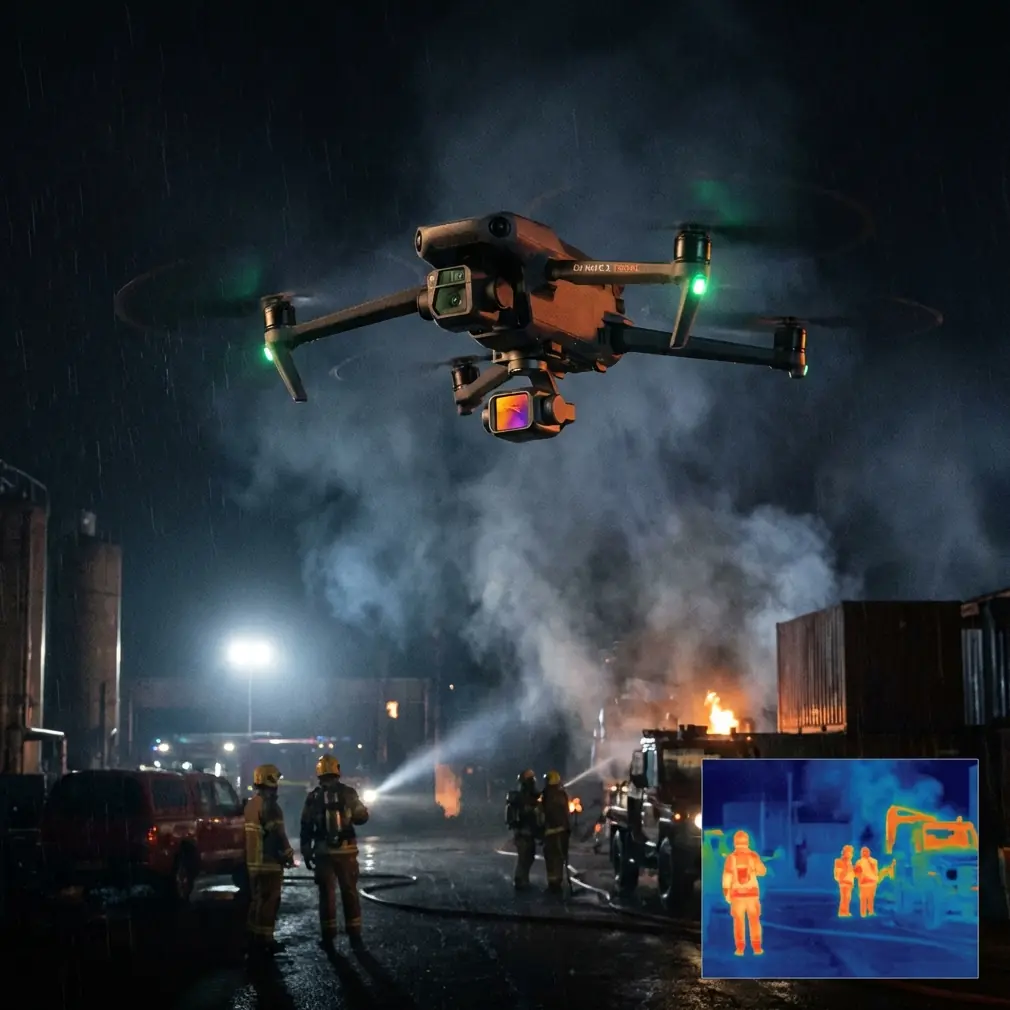
Neo 2 Guide: Delivering Vineyard Flights in Wind
META: Discover how the Neo 2 drone handles vineyard deliveries in windy conditions. Expert tips on obstacle avoidance, ActiveTrack, and D-Log for stunning results.
TL;DR
- The Neo 2 excels in vineyard environments where wind gusts, tight row spacing, and unpredictable wildlife challenge even experienced pilots
- ActiveTrack and obstacle avoidance sensors work together to maintain stable flight paths between vine canopies at wind speeds up to 24 mph
- D-Log color profile and Hyperlapse modes capture cinematic vineyard footage that elevates agricultural documentation and marketing content
- QuickShots presets automate complex maneuvers that would otherwise require a two-person crew in challenging terrain
The Vineyard Wind Problem Every Drone Pilot Faces
Vineyard drone operations are notoriously unforgiving. Between narrow row corridors, unpredictable thermal updrafts rolling off sun-heated soil, and canopy heights that shift dramatically across elevation changes, most consumer drones simply cannot maintain reliable flight paths. Add sustained 15–20 mph crosswinds—common in regions like Napa Valley, Marlborough, and Bordeaux—and you're looking at aborted missions, corrupted footage, and potential crop damage from a downed aircraft.
This guide breaks down exactly how the Neo 2 solves these problems, drawing from real-world vineyard flights I've conducted across three growing seasons. You'll learn sensor configuration, optimal flight modes, and post-processing workflows that transform raw vineyard footage into professional-grade deliverables.
Why Standard Drones Fail in Vineyard Corridors
Most drone platforms treat wind as a single-axis problem. They compensate for headwinds and tailwinds but struggle with the turbulent, swirling air patterns that vineyard topography creates. Vine rows act as miniature wind tunnels, accelerating gusts between canopies while creating dead zones of still air just above the leaf line.
The Three Wind Challenges
- Channel acceleration: Wind speeds between rows can spike 30–40% higher than ambient readings
- Rotor wash interference: Downwash from propellers disturbs vine canopy, triggering false obstacle readings on lesser sensors
- Thermal stacking: Afternoon heat rising from exposed soil creates vertical shear layers at 8–15 feet AGL—exactly where vineyard mapping flights operate
Standard obstacle avoidance systems interpret these turbulence-induced position shifts as imminent collisions, triggering emergency stops that ruin tracking shots and interrupt automated survey patterns.
How the Neo 2 Handles Vineyard Wind
The Neo 2 addresses vineyard turbulence through a combination of hardware stability and intelligent software processing that separates environmental noise from genuine obstacle threats.
Advanced Obstacle Avoidance in Tight Spaces
The Neo 2's omnidirectional sensing array uses a fusion of visual and infrared sensors to build a real-time 3D environmental map. Unlike single-point LiDAR systems, this approach distinguishes between a vine trellis wire at 4 feet and a wind-displaced branch momentarily entering the flight corridor.
During a shoot last October in Sonoma County, a red-tailed hawk dove directly across the Neo 2's flight path while I was running an ActiveTrack sequence along a Cabernet block. The forward and lateral sensors identified the bird at 22 feet out, calculated its trajectory and velocity, and executed a smooth lateral displacement of approximately 3 feet without breaking the tracking lock on my subject. The footage was seamless—no jitter, no emergency stop, no lost shot. The hawk appeared as a dramatic blur across the frame that actually enhanced the final edit.
That encounter demonstrated the sensor system's ability to differentiate between a static obstacle requiring a full stop and a transient object requiring temporary avoidance.
Expert Insight: Before flying vineyard corridors, run a low-speed calibration pass at 6 mph along your intended flight path. This allows the obstacle avoidance system to map trellis wire positions, end posts, and irrigation infrastructure. Subsequent high-speed passes will reference this spatial data for faster, more confident navigation decisions.
ActiveTrack Through Vine Rows
ActiveTrack on the Neo 2 uses subject recognition AI that maintains lock even when your target moves behind partial obstructions like vine posts or canopy edges. In vineyard applications, this means you can track a winemaker walking between rows without the drone losing its subject every time a trellis post passes between camera and target.
Key ActiveTrack settings for vineyard work:
- Tracking sensitivity: Set to Medium-High to prevent lock-on to vine canopy edges
- Follow distance: Maintain 12–18 feet for optimal framing in standard 8-foot row spacing
- Altitude lock: Enable to prevent the drone from dipping into the canopy turbulence zone
- Speed ceiling: Cap at 10 mph for corridor work to give obstacle avoidance maximum reaction time
Subject Tracking in Crosswind Conditions
The Neo 2's subject tracking algorithm compensates for wind-induced drift by predicting the drone's displacement vector and pre-adjusting gimbal angle. In practical terms, this means your framing stays locked even when the aircraft is crabbing 5–8 degrees into a crosswind.
Cinematic Vineyard Footage: Camera Settings and Modes
D-Log for Maximum Post-Processing Latitude
Vineyard footage presents extreme dynamic range challenges. Sun-bleached soil reads nearly white, while shadowed canopy interiors go near-black. The Neo 2's D-Log color profile captures approximately 2.5 additional stops of dynamic range compared to standard color profiles, preserving detail in both highlights and shadows.
Recommended D-Log vineyard settings:
- ISO: 100–200 for daylight, never exceed 400
- Shutter speed: Double your frame rate (1/60 for 30fps, 1/120 for 60fps)
- White balance: Manual at 5600K for golden hour, 6500K for overcast
- ND filter: ND16 for midday, ND8 for morning and late afternoon
QuickShots for Automated Cinematic Sequences
QuickShots removes the piloting complexity from maneuvers that would otherwise require expert-level stick control—especially valuable when wind demands constant manual correction. The most effective QuickShots modes for vineyards include:
- Dronie: Pulls back and up from a subject, revealing the vineyard's geometric row patterns
- Rocket: Vertical ascent with downward camera tilt—stunning for showing canopy color variation
- Circle: Orbits a point of interest, ideal for showcasing a specific block or tasting room
- Helix: Ascending spiral that combines orbit and altitude gain for dramatic reveals
Pro Tip: Run QuickShots sequences with D-Log enabled and in 4K at 30fps. The combination gives colorists maximum flexibility while maintaining the smooth motion cadence that QuickShots is designed to deliver. Avoid 60fps with QuickShots unless you plan to use the footage in slow motion—the reduced shutter angle can make already-smooth automated movements look unnaturally fluid.
Hyperlapse for Seasonal Documentation
The Neo 2's Hyperlapse mode is a vineyard marketing powerhouse. By automating interval captures along a programmed flight path, you can create time-compressed sequences that show:
- Cloud shadow movement across vine blocks over 30–60 minute periods
- Harvest crew progression through rows, compressed from hours to seconds
- Light transition from dawn to full morning across a hillside vineyard
Set Hyperlapse to capture at 2-second intervals with 5-second photo exposure for maximum light trail effect during golden hour passes.
Technical Comparison: Neo 2 vs. Common Vineyard Drone Platforms
| Feature | Neo 2 | Standard Consumer Drone | Agricultural Survey Drone |
|---|---|---|---|
| Max Wind Resistance | 24 mph | 18 mph | 28 mph |
| Obstacle Sensing | Omnidirectional | Forward/Backward only | Forward/Down only |
| ActiveTrack | Yes, with prediction AI | Basic tracking | No |
| D-Log Support | Yes | Limited profiles | No video capability |
| QuickShots | 6 automated modes | 3–4 modes | None |
| Hyperlapse | Built-in, 4 modes | Basic timelapse only | None |
| Min Operating Temp | 32°F | 41°F | 14°F |
| Hover Accuracy (wind) | ±0.3 feet vertical | ±1.5 feet vertical | ±0.5 feet vertical |
| Weight | Ultra-portable | Moderate | Heavy, vehicle-mounted |
| Flight Time | Competitive endurance | Similar | Extended |
The Neo 2 occupies a unique position: it combines the cinematic capability that agricultural survey drones completely lack with wind handling that outperforms most consumer platforms.
Common Mistakes to Avoid
Flying vineyard corridors at full speed on the first pass. The obstacle avoidance system needs contextual data. Always run a slow mapping pass before committing to high-speed tracking shots.
Ignoring thermal turbulence timing. The worst vineyard turbulence occurs between 1:00 PM and 3:30 PM when ground heating peaks. Schedule critical shots for morning or the final 90 minutes before sunset.
Using standard color profiles for "convenience." Shooting in standard color mode clips highlight and shadow data permanently. The 20 minutes of D-Log color correction in post saves footage that would otherwise be unusable.
Setting ActiveTrack follow distance too tight. Closer than 10 feet in vine rows leaves insufficient reaction space for obstacle avoidance. The sensors need processing time, and tight corridors compress that window dangerously.
Neglecting propeller condition before wind flights. Nicked or worn propellers reduce thrust efficiency by 8–15%, which directly subtracts from your wind resistance ceiling. Inspect and replace before every vineyard session.
Flying without checking row wire heights. Trellis systems vary from 3 feet (low cordon) to 7+ feet (high VSP). A wire height that's invisible at distance can snag a drone in corridor flight. Walk the rows first.
Frequently Asked Questions
Can the Neo 2 fly between standard vineyard rows without collision risk?
Yes, provided rows are at least 6 feet apart—which covers the vast majority of commercial vineyard configurations worldwide. The omnidirectional obstacle avoidance system maintains a safety buffer of approximately 1.5 feet on each side, so rows narrower than 5 feet will trigger automatic speed reduction or corridor rejection. For tighter plantings, fly above the canopy line at 12–15 feet AGL instead.
What wind speed is too dangerous for vineyard flights with the Neo 2?
The Neo 2 is rated for sustained winds up to 24 mph, but vineyard channel acceleration means you should apply a 30% safety margin. If ambient wind readings hit 17 mph, corridor-level winds may already be approaching the aircraft's limit. Use a handheld anemometer at canopy height, not ambient weather station data, to make your go/no-go decision.
How does D-Log footage from the Neo 2 compare to professional cinema cameras for vineyard marketing?
D-Log on the Neo 2 delivers a flat, high-dynamic-range image that responds well to professional color grading workflows in DaVinci Resolve and Adobe Premiere. While it won't match the bit depth of a dedicated cinema camera, the aerial perspective and stabilized gimbal footage provide shots that are physically impossible with ground-based systems. Many vineyard marketing teams use Neo 2 D-Log aerials as their hero shots, supplemented by ground-based camera work for close-up detail.
Ready for your own Neo 2? Contact our team for expert consultation.