
Neo 2 for Low-Light Venue Work: What Actually Matters When
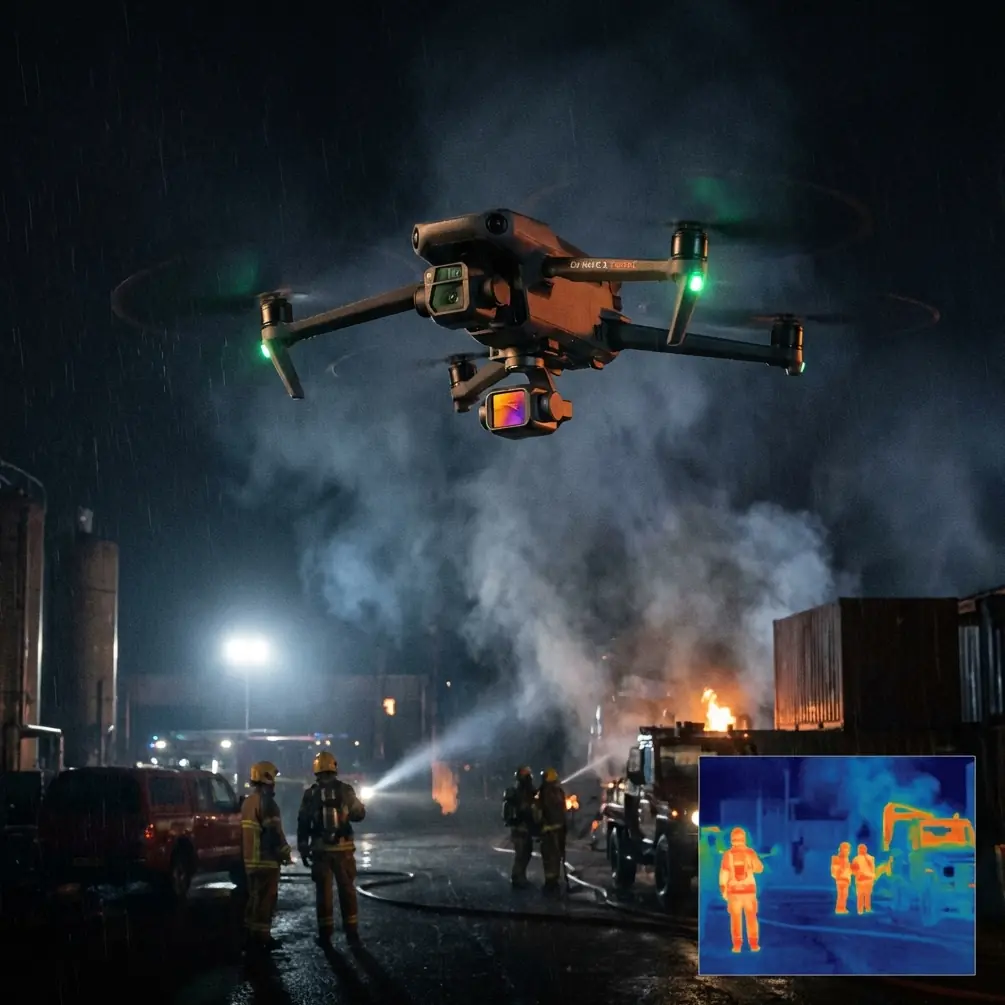
Neo 2 for Low-Light Venue Work: What Actually Matters When the Room Gets Difficult
META: A technical review of Neo 2 for low-light venue delivery work, covering obstacle avoidance, subject tracking, D-Log, QuickShots, and real-world operating tradeoffs.
Low-light venue work exposes the truth about any drone or camera platform. Spec sheets stop sounding impressive once you are dealing with dim corridors, mixed color temperatures, reflective surfaces, moving staff, guests who do not hold still, and a delivery path that has to stay smooth under pressure. That is where the Neo 2 conversation gets interesting.
I approach this as a photographer first. When a platform is meant to work around venues in poor light, I do not care much about inflated promises. I care about whether it can hold a subject cleanly, preserve detail in ugly lighting, avoid clipping signs and practical lights, and move through tight spaces without forcing the operator into constant correction. Neo 2 stands out because its feature mix points toward controlled operation in exactly those compromised environments, rather than only looking good in ideal outdoor demos.
This is not a generic product overview. The real question is narrower: if you are delivering in venues with low ambient light, does Neo 2 give you enough operational confidence to fly efficiently and come back with usable footage or reliable positional control? In several key areas, yes. In a few areas, you still need discipline.
Why low-light venues are a different test
A venue is one of the least forgiving places to fly. GPS quality can be inconsistent indoors or near structures. Light levels dip hard between entryways, stage zones, back-of-house corridors, and service routes. Bright LEDs, illuminated exit signage, and projection spill can trick exposure and autofocus systems. Add people crossing unexpectedly and your drone is no longer just “flying.” It is making dozens of micro-decisions every second.
That is why Neo 2’s obstacle avoidance matters more here than it does in open air. In broad daylight over a clear field, avoidance is a comfort feature. In a dim event space with decorative trusses, hanging fixtures, columns, and temporary staging, it becomes part of your baseline safety envelope. The practical value is simple: fewer abrupt manual inputs, fewer near-misses with venue infrastructure, and more mental bandwidth for framing and route awareness.
Not all implementations of obstacle avoidance feel equal in low light. Some systems become conservative to the point of frustration, while others lose confidence when contrast drops. What makes Neo 2 notable is that its positioning in this workflow suggests a better balance for close-quarters operation. That balance matters. A drone that constantly hesitates can be as disruptive as one that is too brave.
ActiveTrack and subject tracking are not the same thing on paper or in use
A lot of drones advertise tracking. That alone means nothing. The difference shows up when the subject passes under uneven lighting, partially disappears behind people, or moves from a bright doorway into a darker hallway. Neo 2’s inclusion of both subject tracking and ActiveTrack tells you something operationally significant: this platform is not just trying to lock onto movement, it is trying to maintain compositional continuity.
For venue delivery scenarios, that has two direct advantages.
First, tracking stability reduces pilot workload. If you are following a staff member carrying equipment through a narrow route, or documenting the path of a service run between staging and floor access, reliable tracking lets you focus on altitude, clearance, and path discipline instead of constantly rebuilding the frame.
Second, smoother tracking improves deliverable quality. A clip that wobbles every time the subject passes through a shadow is not just aesthetically weak. It is harder to edit, harder to match with brighter sequences, and more likely to reveal the limitations of the platform. A Neo 2 setup that can maintain subject lock through shifting illumination gives you footage that feels intentional rather than salvaged.
This is also one area where Neo 2 can plausibly outperform competitors that look strong in daylight marketing but become inconsistent indoors. Some rivals offer aggressive follow modes that feel impressive outdoors yet drift or pulse in mixed lighting when contrast falls apart. Neo 2’s appeal, especially for venue work, is less about dramatic movement and more about composure.
D-Log is not a bonus feature here. It is one of the reasons the drone makes sense
Low-light venues often produce the worst possible combination for image capture: deep shadows, harsh accent lights, colored LEDs, and reflective materials that bounce highlights unpredictably. Standard profiles can make this look brittle very quickly. Blacks crush, skin turns muddy, and practical lights blow out into shapeless patches.
That is where D-Log earns its place. If Neo 2 gives you D-Log in this class of workflow, that is a serious operational advantage because it improves your odds of preserving tonal information across ugly lighting transitions. You are not magically creating light. What you are doing is buying more flexibility when the scene changes faster than you can reconfigure exposure.
For a photographer or venue content creator, this matters in three specific ways:
- You can hold more highlight detail around stage fixtures, signage, and doorway spill.
- You get more room to normalize mixed color casts in grading.
- You avoid baking harsh contrast decisions into footage captured under temporary event lighting.
Many operators underestimate this until they review footage on a larger monitor. What looked “fine” on a small screen often collapses in post. D-Log gives Neo 2 a more professional posture than drones that force you into a narrower baked image pipeline. In practical terms, that means fewer compromised edits and more consistency across a long venue sequence.
QuickShots and Hyperlapse have a place, but not where most people think
There is a tendency to treat QuickShots and Hyperlapse as social-first features. That is too shallow. In venue work, these modes can function as planning and context tools when used intelligently.
QuickShots are useful when you need repeatable movement in a controlled slice of the venue. Instead of improvising a reveal around an entrance, atrium, or pre-function area, you can deploy a predefined motion pattern and get a cleaner result with less pilot variability. In low light, that matters because every unnecessary correction risks introducing jitter, especially when shutter speeds drag or ISO creeps upward.
Hyperlapse is even more interesting. In a venue environment, it can communicate setup tempo, crowd flow, or lighting transitions over time. If your brief includes documenting how a room transforms from empty floor to active event space, Hyperlapse can provide an efficient overview that would otherwise require significant manual effort. Used carefully, it turns Neo 2 from a simple capture tool into a workflow instrument.
That said, these modes are not substitutes for judgment. In low light, any automated move needs extra scrutiny. Motion blur, obstacle spacing, and changing pedestrian traffic can break a sequence fast. The value of Neo 2 is not that it automates everything. It is that its automated options can reduce friction if the operator understands the environment first.
Obstacle avoidance becomes a lighting problem, not only a spatial one
Most operators think of obstacle avoidance as a geometry problem. In venues, it is also a visibility problem. Dark drapery, matte black trussing, acrylic decor, mirrors, and low-contrast architectural features can all complicate how confidently a drone reads the space around it.
This is why I keep coming back to Neo 2’s obstacle avoidance in the low-light discussion. The headline feature is easy to mention, but the real value is in how it changes decision-making. It lets you maintain safer margins while still operating in environments where visual clutter is high and reaction windows are short.
If you are delivering through a venue, that translates to better route discipline near temporary installations and less risk when transitioning from open floor areas into tighter service corridors. I still would not trust any avoidance system blindly indoors. No experienced operator should. But a capable system shifts your working style from defensive improvisation to proactive control.
That is a meaningful difference.
Where Neo 2 feels stronger than competitors
Competitor comparisons in this category often get stuck on top speed, headline camera numbers, or outdoor follow footage. For venue work, those are secondary. The better question is which drone keeps operating cleanly when the light is poor and the environment is cluttered.
Neo 2’s strength appears to be its overlap of features rather than one single standout. Obstacle avoidance reduces route stress. ActiveTrack and subject tracking support continuity in motion. D-Log protects footage when venue lighting gets ugly. QuickShots and Hyperlapse add repeatable movement and time-based context. That package is unusually relevant for a low-light indoor-adjacent workflow.
Some competitors do one or two of these things well. Fewer feel equally focused on the combined reality of navigation, tracking, and post-production flexibility in a venue setting. That is why Neo 2 deserves attention here. It looks less like a toy built around cinematic buzzwords and more like a compact platform with a practical understanding of how creators actually work under pressure.
The operating habits that matter most
Even with a capable platform, low-light venue work rewards discipline. Neo 2 can help, but it cannot rescue careless flying. My own approach is straightforward.
Start by mapping your path before launch. Walk it. Look for hanging signage, reflective partitions, dark cables, and pinch points near doors or service entries. Automated avoidance is helpful, but pre-visualized routes are better.
Keep movements slower than you think you need. In low light, smoothness beats speed almost every time. Slower passes improve tracking reliability, reduce motion artifacts, and give avoidance systems more time to interpret the scene.
Use D-Log when the lighting range is ugly enough to punish a standard profile. If the venue has bright practicals and deep shadows in the same frame, this is not the place to cut corners.
Be selective with automated moves. QuickShots can be excellent for entrance reveals or wide room context. Hyperlapse works best when your scene has clear visual progression. Do not force either one into a crowded, constantly changing route just because the feature exists.
Most of all, respect the environment. Venue flying is rarely about showing off. It is about being invisible, precise, and repeatable.
A photographer’s read on Neo 2
What makes Neo 2 appealing for this niche is not that it promises flawless low-light performance. No responsible reviewer should imply that. It is that the feature set lines up unusually well with the actual demands of dim, complex venues.
The pairing of obstacle avoidance with tracking features has operational significance because it helps the aircraft stay composed when the route is tight and the subject is moving. The addition of D-Log matters because venue lighting is rarely kind, and preserving flexibility in post can be the difference between a usable sequence and a throwaway file. QuickShots and Hyperlapse are not trivial extras either. In the right hands, they reduce setup time and expand the kind of story you can tell about a space.
If you are trying to decide whether Neo 2 fits your workflow, judge it on that basis. Not on hype. Not on generic travel-drone comparisons. Ask whether it helps you move through difficult interiors with less friction and come home with cleaner material.
That is the real test.
If you want to compare route planning ideas or low-light setup strategies with another operator, you can message here. For venue creators, small changes in path design and profile choice often make a bigger difference than any single spec.
Neo 2 looks strongest when used by someone who understands that low-light performance is not just about sensor behavior. It is about the relationship between navigation, tracking, dynamic range, and restraint. In that context, it does more than keep up. It makes a convincing case for itself.
Ready for your own Neo 2? Contact our team for expert consultation.