
Neo 2 Delivering Tips for Power Lines in Extreme Temperature
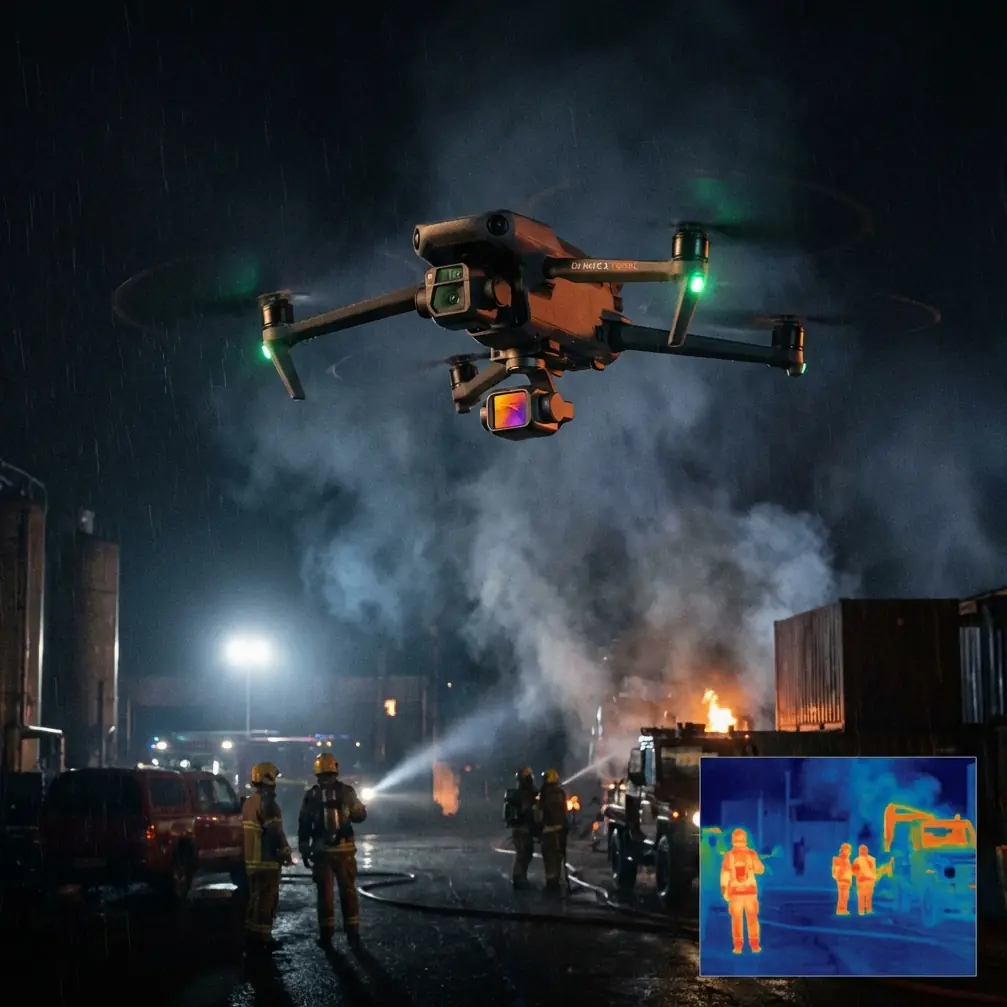
Neo 2 Delivering Tips for Power Lines in Extreme Temperatures
META: Practical Neo 2 tutorial for power-line work in extreme heat and cold, with tips on obstacle avoidance, ActiveTrack, D-Log, QuickShots, Hyperlapse, and managing electromagnetic interference through antenna adjustment.
Power-line work asks more from a drone than a casual flight ever will. You are not just dealing with distance, wind, and battery limits. You are also operating near long spans of metal infrastructure, exposed ridgelines, shifting thermals, and electromagnetic noise that can make an otherwise stable aircraft behave unpredictably. Add extreme temperatures, and the margin for error narrows fast.
If you are planning to use a Neo 2 around transmission or distribution corridors, the goal is not simply to “get the shot” or complete a quick drop. The real objective is repeatability. You want a flight profile that remains stable when the air is hot enough to soften battery performance, or cold enough to slow response and reduce endurance. You also need reliable positioning, predictable control input, and clean visual data that holds up for inspection review.
I come at this from the field side as much as the image side. As a photographer, I care about framing, D-Log flexibility, and tracking performance. But around power lines, image quality only matters if the aircraft first stays locked in, reads the environment correctly, and keeps a strong control link. That is where the Neo 2 setup process matters more than most pilots realize.
Start with the environment, not the drone menu
Pilots often prepare for difficult power-line missions by diving straight into settings: obstacle avoidance, ActiveTrack, QuickShots, exposure, and so on. That is backward. In extreme heat or cold, your first checklist item should be the site itself.
Look at three things before takeoff:
- Line geometry
- Ground reflectivity
- Signal clutter
Line geometry affects depth perception for both the pilot and the aircraft. Parallel conductors, shield wires, towers, and insulators can create a visually busy corridor. This matters because obstacle avoidance systems are helpful, but they are not magic. A line that is thin, backlit, or blending into a pale sky may not be interpreted the same way as a tower arm or pole structure. You should treat obstacle sensing as a safety layer, not permission to fly casually through complex spans.
Ground reflectivity is a temperature issue. In hot conditions, sun-baked gravel, metal hardware, and open rights-of-way create thermal shimmer. In cold conditions, snow, frost, or low-angle light can flatten contrast. Both situations can affect how confidently you judge distance through the live view. That makes slower lateral movement and more conservative approach angles a better choice than aggressive straight-line passes.
Signal clutter is the hidden factor. Near energized infrastructure, you may see stable video and still have small control irregularities. That is where electromagnetic interference enters the conversation.
Handling electromagnetic interference with antenna adjustment
Around power lines, interference is not always dramatic. Sometimes it shows up as a subtle drop in signal confidence, intermittent image breakup, or a lag that is easy to dismiss until the aircraft reaches a more exposed position. The practical response is not panic. It is disciplined antenna management.
The most useful habit is to adjust the controller antennas so they maintain the strongest possible orientation toward the Neo 2 without aiming the antenna tips directly at the aircraft. Pilots who work in open fields can get lazy here. Near utility corridors, that laziness can cost you control quality. As the drone moves along the line, especially if terrain changes elevation or the span curves, your antenna angle should change with it.
This matters operationally for two reasons.
First, stronger link integrity gives you better real-time control when the environment is already noisy. If the Neo 2 is working near electromagnetic disturbance, every bit of signal efficiency helps preserve smooth command response.
Second, stronger transmission improves your confidence in framing and route decisions. Around power lines, a delayed image is not just annoying. It can lead to overcorrection, poor stand-off distance, or an awkward repositioning maneuver near conductors and structures.
A simple field rule works well: every time the aircraft changes direction along the corridor or shifts altitude significantly, reassess your body position and antenna alignment. Do not stand still out of habit if a few steps to the side would give you a cleaner line of sight.
If you need a second opinion on corridor setup or aircraft configuration before a difficult assignment, this direct support channel is a practical place to ask.
Extreme heat changes how you should pace the mission
Hot-weather flying is rarely about a dramatic failure. It is more often a gradual performance tax. Batteries heat up faster, motors work harder in unstable air, and your own decision-making degrades if the site is physically punishing.
For Neo 2 operations near power lines in high temperatures, shorten your mission segments. That one change improves almost everything.
Instead of planning a long inspection or delivery-style pass in a single run, break the work into shorter loops with intentional recovery points. That gives the battery less time to soak in heat and gives you more chances to evaluate signal quality before the aircraft drifts into a problematic section of the line.
It also helps with image consistency. In harsh sun, exposure can shift quickly as you turn relative to reflective hardware and sky brightness. If you are shooting in D-Log, those shorter segments are easier to color-match later. D-Log is valuable here because it preserves more flexibility when metal surfaces and bright sky occupy the same frame, but it rewards disciplined flying. Wild yaw changes and rushed passes create footage that is harder to interpret and grade.
In plain terms: D-Log gives you more room to work with the image, but only if you feed it stable material.
Cold weather is different: expect slower confidence, not just lower battery time
Cold conditions demand a different mindset. Most pilots focus on reduced flight time, and yes, that matters. But the bigger issue is often tempo. Aircraft response can feel less lively, and the whole operation tends to punish rushed decisions.
When flying the Neo 2 in very low temperatures around power infrastructure, allow extra time for every phase:
- preflight lock-in
- hover check
- first approach
- return setup
That slow start pays off. A short hover test close to the launch area tells you a lot: whether the aircraft is holding position cleanly, whether the image transmission is stable, and whether any interference seems stronger than expected. If something feels off in the first minute, it usually becomes more obvious farther down the corridor.
Cold weather also changes how you use tracking features. ActiveTrack and subject tracking can be useful if you are following a maintenance vehicle on a service road or documenting crew movement around a safe civilian worksite. But do not let automation dictate your path near line hardware. In cold air, where visual cues may be muted and stopping distances can feel less intuitive, the better approach is to use tracking as a framing aid, not as your primary navigation logic.
That distinction matters. ActiveTrack can help maintain composition on a moving non-sensitive subject, but your separation from conductors, poles, and guy wires should always come from pilot judgment first.
Obstacle avoidance is a tool, not a shield
Obstacle avoidance belongs in the Neo 2 workflow, especially when working in corridors with poles, crossarms, and surrounding vegetation. Still, power lines create one of the hardest environments for overconfidence.
Thin wires are not the same as broad obstacles. Depending on lighting, background, and relative angle, the system may be far more dependable with towers and poles than with individual conductors. That means your flight path should be designed as if the aircraft might not fully interpret every wire in every condition.
A better operating pattern is offset observation. Instead of flying directly at the line, maintain a lateral stand-off and capture the asset from an angle that keeps structures legible and minimizes the chance of threading into a narrow visual lane. This approach also improves image usefulness. Inspectors and asset managers often need spatial context, not just dramatic proximity.
If your mission involves carrying a small item to a staging point along a utility access route in extreme temperatures, the same principle applies. Fly predictable, open routes with clear obstacle margins. Do not rely on obstacle avoidance to solve route design mistakes.
Use QuickShots and Hyperlapse carefully, and only when they serve the job
QuickShots and Hyperlapse sound like creative features, and they are. But they can still have value in utility-adjacent work when used with discipline.
A QuickShot can help capture a clean establishing view of a tower location, substation perimeter, or access route before crews begin work. That has documentation value. It can also support public-facing project reporting when a utility or contractor needs a simple visual summary.
A Hyperlapse can be useful for showing weather movement, site progression, or changes in lighting over a work zone. In extreme temperatures, this can help document how conditions evolved during a maintenance window.
The warning is straightforward: automated cinematic moves should never be the default choice near power lines. Use them only in open, controlled areas with generous separation from conductors and structures. If there is any doubt, fly manually. The neatest move in the world is worthless if it narrows your safety margin.
Camera settings that make inspection footage easier to use
The best power-line footage is usually the least flashy. It is stable, readable, and consistent. Neo 2 operators who want footage that engineers and project managers can actually work with should prioritize clarity over drama.
A few practical habits help:
- Use D-Log when lighting is harsh and you need more highlight control.
- Keep pans slow enough that hardware details remain readable.
- Avoid rapid altitude changes that distort scale judgment.
- Repeat the same pass direction when comparing multiple spans.
That last point is underappreciated. Consistent pass direction makes it easier to compare visual conditions across structures, especially when sun angle and shadow placement matter. If one pass is northbound and the next is flown from a completely different geometry, small condition changes can be harder to verify.
Build a repeatable mission pattern
For power-line work in extreme temperatures, consistency beats improvisation. A practical Neo 2 mission pattern looks like this:
1. Site scan
Identify towers, conductors, vegetation, terrain changes, and possible EMI hotspots.
2. Controller and antenna check
Confirm controller position, line of sight, and antenna orientation before launch.
3. Short hover assessment
Watch for signal stability, drift, and live-view confidence.
4. Conservative first pass
Use a wider offset than you think you need. Let the aircraft tell you how clean the environment is.
5. Reassess after each segment
Check battery state, aircraft temperature behavior, and link quality before continuing.
6. Capture creative material last
QuickShots, Hyperlapse, or tracked sequences should only happen after the operational work is complete and conditions allow it.
That sequence is especially effective because it reduces stacked risk. You are not testing obstacle avoidance, thermal endurance, transmission quality, and camera automation all at once.
The real skill is knowing when to simplify
Neo 2 has useful features. Obstacle avoidance, subject tracking, ActiveTrack, D-Log, QuickShots, Hyperlapse—each can add real value in the right part of the workflow. But near power lines in heat or cold, the smartest pilots are usually the ones who simplify fastest.
If the signal becomes erratic, adjust the antennas and reposition yourself before blaming the aircraft. If the air is unstable, shorten the route. If the line environment looks visually confusing, widen your stand-off distance. If tracking feels unpredictable, stop using it and fly manually. Those decisions are not conservative in a timid sense. They are professional.
That is what makes a Neo 2 mission useful rather than merely successful. Useful means the footage is clean, the route is repeatable, and the aircraft comes home with no surprises. Around power infrastructure, that standard is the one that counts.
Ready for your own Neo 2? Contact our team for expert consultation.