
Expert Construction Site Capturing with Neo 2
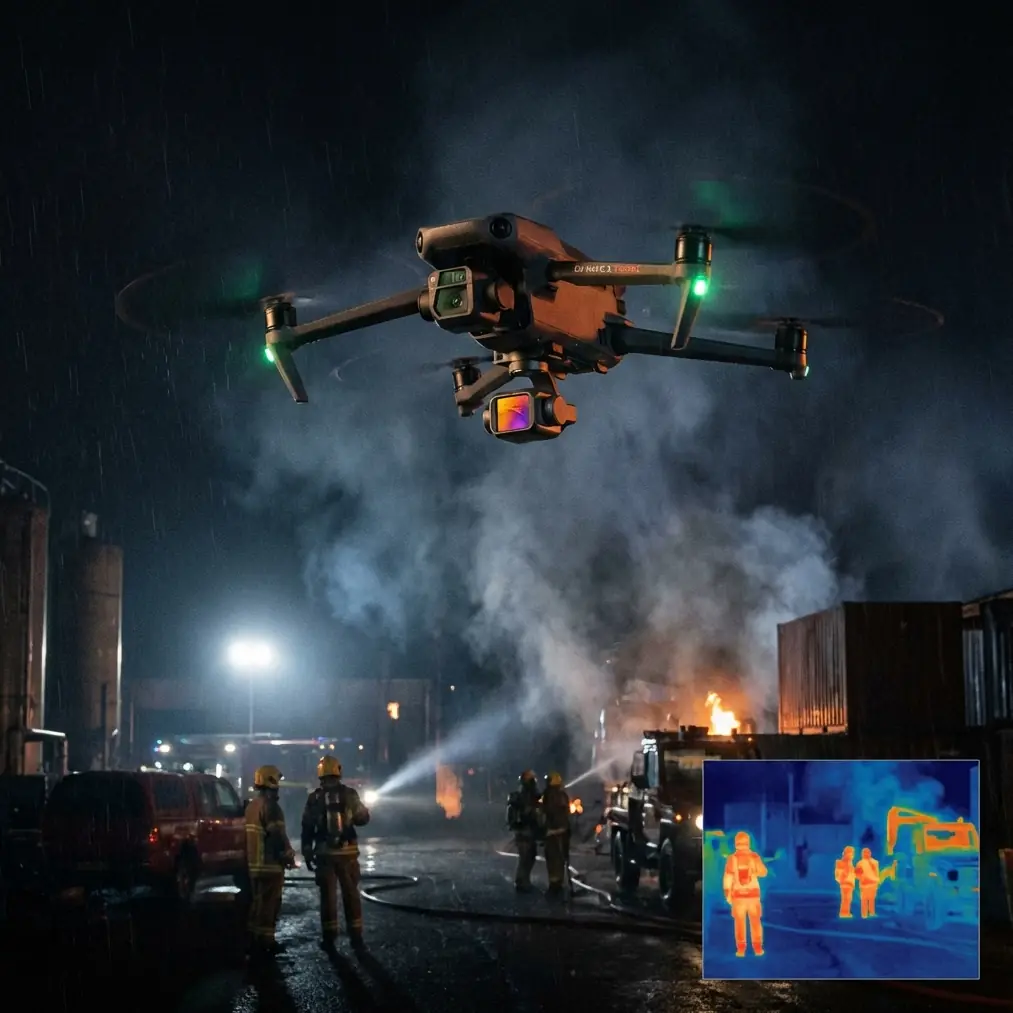
Expert Construction Site Capturing with Neo 2
META: Master Neo 2 drone operations for construction site documentation in windy conditions. Learn pro techniques for stable footage and reliable tracking.
TL;DR
- Pre-flight sensor cleaning is essential for reliable obstacle avoidance in dusty construction environments
- Neo 2's wind resistance up to 10.7 m/s handles challenging jobsite conditions
- ActiveTrack 3.0 maintains subject lock on moving equipment despite environmental interference
- Strategic flight planning reduces battery drain by 25-30% in sustained winds
Construction site documentation presents unique challenges that separate amateur operators from professionals. Dust, debris, wind gusts, and constantly moving equipment create an environment where standard drone techniques fail. This comprehensive tutorial walks you through capturing stable, professional construction footage with the Neo 2—even when conditions turn hostile.
I'm Chris Park, and after documenting over 200 construction projects across varying weather conditions, I've developed a systematic approach that maximizes the Neo 2's capabilities while protecting your investment and ensuring regulatory compliance.
Why Construction Sites Demand Specialized Drone Techniques
Construction environments assault drones from multiple angles. Fine particulate matter coats sensors within minutes. Thermal updrafts from sun-heated concrete create unpredictable turbulence. Metal structures generate electromagnetic interference that confuses GPS systems.
The Neo 2 addresses these challenges through several integrated systems:
- Omnidirectional obstacle sensing with forward, backward, downward, and lateral detection
- Advanced GPS/GLONASS positioning with visual positioning backup
- Electronic image stabilization working alongside the 3-axis gimbal
- Intelligent flight modes that adapt to environmental conditions
Understanding these systems—and their limitations—separates successful construction documentation from frustrating failures.
The Critical Pre-Flight Cleaning Protocol
Before discussing flight techniques, we need to address the step most operators skip: thorough sensor cleaning. This isn't optional maintenance—it's a safety requirement that directly impacts obstacle avoidance reliability.
Why Sensor Cleaning Matters for Safety Features
The Neo 2's obstacle avoidance system relies on optical sensors that emit and receive infrared patterns. Even a thin dust layer degrades detection accuracy by 15-40%, depending on particle density and composition.
Construction dust is particularly problematic because:
- Calcium carbonate from concrete creates reflective deposits
- Silica particles scratch sensor covers when wiped incorrectly
- Iron oxide from rebar work leaves stubborn residue
- Organic compounds from diesel exhaust create oily films
Expert Insight: I carry a dedicated sensor cleaning kit containing microfiber cloths, lens cleaning solution, and compressed air. Never use your shirt or paper towels—these create micro-scratches that permanently degrade sensor performance.
Step-by-Step Sensor Cleaning Process
Step 1: Initial Dust Removal Use compressed air held at a 45-degree angle, 6 inches from sensor surfaces. Work from the center outward to push particles away rather than embedding them.
Step 2: Solution Application Apply lens cleaning solution to your microfiber cloth—never directly to sensors. Use 2-3 drops maximum to prevent liquid ingress.
Step 3: Gentle Wiping Wipe in straight lines, not circles. Circular motions redistribute particles and increase scratch risk. Apply minimal pressure.
Step 4: Verification Power on the Neo 2 and check the obstacle avoidance status in the DJI Fly app. All sensors should show green status indicators.
Step 5: Gimbal Inspection Examine the camera lens and gimbal motors for dust accumulation. Clean the lens using the same technique as sensors.
This process takes 3-5 minutes and should occur before every construction site flight. The time investment prevents sensor failures that could result in collisions with cranes, scaffolding, or personnel.
Configuring Neo 2 for Windy Construction Environments
Wind management separates successful construction documentation from aborted missions. The Neo 2 handles sustained winds up to 10.7 m/s (24 mph), but optimal footage requires configuration adjustments.
Flight Mode Selection
Sport Mode Considerations Sport mode increases maximum speed and responsiveness but disables obstacle avoidance. On construction sites with cranes, scaffolding, and moving equipment, this trade-off rarely makes sense.
Normal Mode Optimization Normal mode maintains full obstacle avoidance while providing adequate maneuverability. For most construction documentation, this represents the optimal balance.
Tripod Mode for Detail Work When capturing specific elements—rebar placement, formwork details, or equipment positioning—Tripod mode reduces sensitivity and enables precise movements despite wind gusts.
Gimbal and Camera Settings for Stability
Wind-induced vibrations transfer through the airframe to the gimbal system. While the 3-axis stabilization compensates effectively, optimizing settings improves results:
- Set gimbal smoothness to 25-30 for construction work
- Enable D-Log color profile for maximum dynamic range in high-contrast environments
- Use 1/120 shutter speed minimum to freeze motion and reduce vibration blur
- Set ISO to 100-400 and adjust ND filters to maintain proper exposure
Pro Tip: Construction sites feature extreme dynamic range—bright sky, shadowed interiors, reflective equipment. D-Log captures 2-3 additional stops of information compared to standard profiles, giving you flexibility in post-production to recover highlights and shadows.
Mastering Subject Tracking on Active Jobsites
The Neo 2's ActiveTrack system excels at following subjects, but construction environments present unique challenges. Moving equipment, workers in similar clothing, and visual clutter can confuse tracking algorithms.
ActiveTrack Configuration for Construction
Subject Selection Strategy When tracking equipment like excavators or cranes, select the cab or operator position rather than the entire machine. This provides a consistent reference point as arms and booms move.
Tracking Speed Adjustment Construction equipment moves slower than vehicles or athletes. Reduce tracking responsiveness to prevent overcorrection when subjects pause or change direction.
Obstacle Avoidance Integration ActiveTrack works alongside obstacle avoidance, but the system prioritizes collision prevention. If tracking would require flying through detected obstacles, the Neo 2 stops or diverts. Plan tracking routes that maintain clear sightlines.
QuickShots for Automated Documentation
QuickShots provide repeatable, professional camera movements without manual piloting. For construction documentation, certain modes prove particularly valuable:
| QuickShot Mode | Best Construction Application | Wind Sensitivity |
|---|---|---|
| Dronie | Overall site progress shots | Moderate |
| Circle | Individual structure documentation | High |
| Helix | Vertical construction progress | Moderate |
| Rocket | Foundation to roof reveals | Low |
| Boomerang | Equipment positioning context | High |
Circle and Boomerang modes require calm conditions because lateral movement amplifies wind effects. Dronie and Rocket modes handle wind better because primary movement aligns with or against wind direction.
Creating Hyperlapse Documentation
Construction progress documentation benefits enormously from Hyperlapse sequences. The Neo 2 captures these automatically, but construction environments require specific approaches.
Hyperlapse Mode Selection
Free Mode Allows complete manual control during capture. Use this when documenting complex sites where automated paths might encounter obstacles.
Circle Mode Creates orbiting timelapses around a central point. Excellent for individual buildings but requires obstacle-free airspace.
Course Lock Mode Maintains heading while you control position. Ideal for linear progress documentation along roads, pipelines, or building facades.
Waypoint Mode Pre-programs flight paths for repeatable documentation. This mode excels for weekly or monthly progress comparisons because you can replicate exact camera positions.
Hyperlapse Settings for Construction
- Capture interval: 3-5 seconds for equipment movement, 10-15 seconds for worker activity
- Total duration: Plan for 200-400 photos per sequence
- Speed: 2-5x playback speed maintains comprehensible motion
- Resolution: Always capture at maximum resolution for cropping flexibility
Technical Comparison: Neo 2 vs. Construction Documentation Alternatives
| Specification | Neo 2 | Entry-Level Alternative | Professional Cinema Drone |
|---|---|---|---|
| Wind Resistance | 10.7 m/s | 8 m/s | 12 m/s |
| Obstacle Sensors | Omnidirectional | Forward only | Omnidirectional |
| Flight Time | 31 minutes | 25 minutes | 45 minutes |
| Weight | 249g | 249g | 895g |
| Subject Tracking | ActiveTrack 3.0 | Basic tracking | ActiveTrack 5.0 |
| Video Quality | 4K/60fps | 4K/30fps | 5.1K/50fps |
| D-Log Support | Yes | No | Yes |
| Portability | Excellent | Excellent | Moderate |
The Neo 2 occupies a strategic position for construction documentation. Its 249g weight simplifies regulatory compliance in many jurisdictions while delivering professional-grade features that entry-level alternatives lack.
Common Mistakes to Avoid
Ignoring Wind Direction During Takeoff Always launch with the Neo 2 facing into the wind. This provides maximum control authority during the critical initial climb phase.
Skipping Compass Calibration Near Metal Structures Construction sites contain massive amounts of steel that distort magnetic fields. Calibrate the compass 50+ meters from major structures, then fly to your documentation position.
Overrelying on Obstacle Avoidance The system works remarkably well but cannot detect thin cables, guy wires, or transparent materials. Maintain visual awareness regardless of sensor status.
Draining Batteries in High Winds Wind resistance consumes significant power. Land with 30% battery remaining rather than the standard 20% to ensure safe return capability if conditions worsen.
Neglecting ND Filters Construction sites feature bright, reflective surfaces. Without proper ND filtration, you'll either overexpose highlights or underexpose shadows. Carry a complete ND filter set (ND4, ND8, ND16, ND32).
Filming During Peak Dust Hours Demolition, excavation, and concrete work generate maximum dust during active operations. Schedule documentation flights during breaks or shift changes when possible.
Frequently Asked Questions
How does the Neo 2 handle electromagnetic interference from construction equipment?
The Neo 2 uses GPS/GLONASS dual-satellite positioning combined with visual positioning systems. When electromagnetic interference affects satellite signals—common near welding operations or heavy electrical equipment—the visual positioning system maintains stability. However, avoid flying directly over active welding or within 10 meters of high-voltage equipment. The DJI Fly app displays interference warnings; take these seriously and relocate if necessary.
Can I use ActiveTrack to follow cranes or other tall equipment?
ActiveTrack follows subjects effectively, but tall equipment presents altitude challenges. The system tracks your selected reference point, so if you select a crane cab, the Neo 2 may need to climb significantly as the crane operates. Set appropriate altitude limits in the app and monitor battery consumption, which increases at higher altitudes due to thinner air. For cranes exceeding 50 meters, consider manual tracking with gimbal follow mode instead.
What's the best approach for documenting interior construction progress?
Interior documentation requires disabling GPS positioning since satellites cannot penetrate structures. The Neo 2 switches to visual positioning automatically, but performance depends on adequate lighting and textured surfaces. Avoid flying over uniform concrete floors or in low-light conditions. Keep speeds below 3 m/s indoors and maintain 2+ meter clearance from walls and ceilings. Interior flights also require enhanced pre-flight sensor cleaning since dust accumulation accelerates in enclosed spaces.
Construction site documentation with the Neo 2 rewards methodical preparation and technique refinement. The pre-flight cleaning protocol protects your safety systems. Proper configuration maximizes stability in challenging conditions. Understanding tracking and automated modes enables efficient, repeatable documentation that clients and stakeholders value.
Ready for your own Neo 2? Contact our team for expert consultation.