
Neo 2 Guide: Capturing Coastlines in Low Light
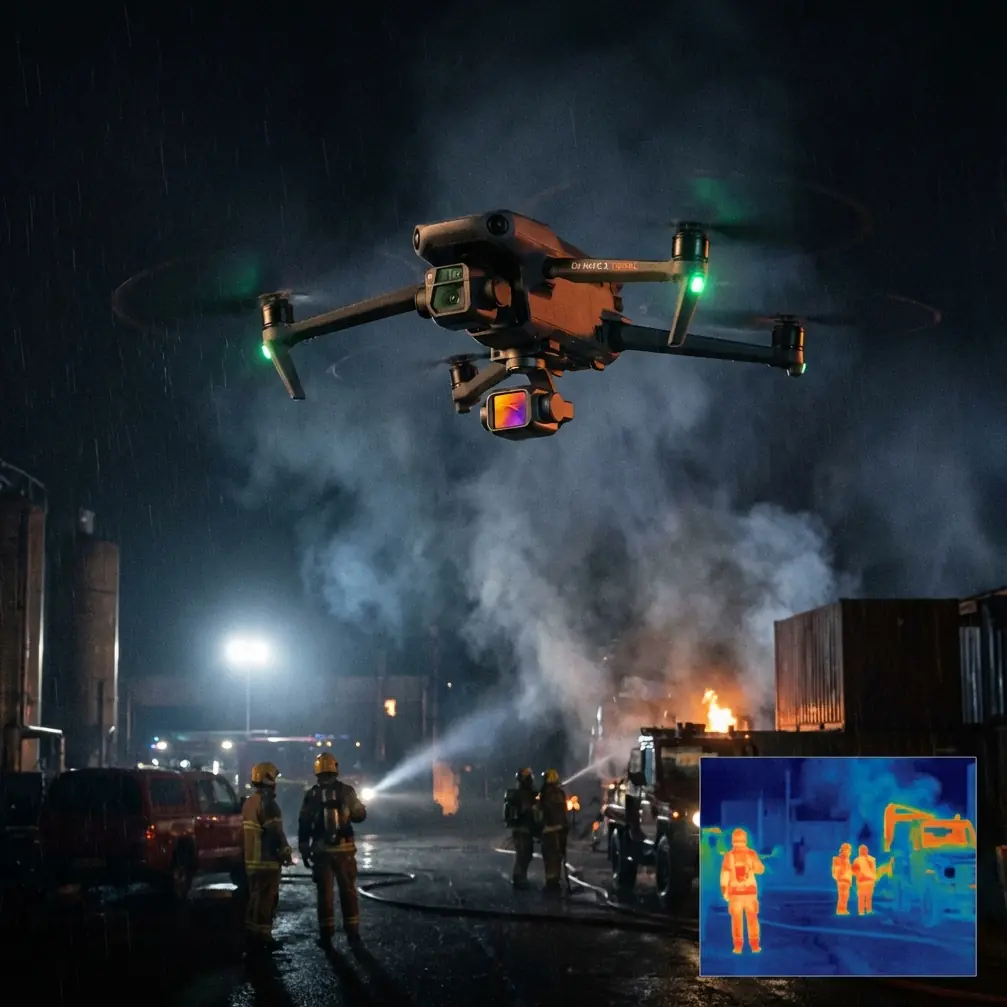
Neo 2 Guide: Capturing Coastlines in Low Light
META: Master low-light coastal photography with the Neo 2. Expert review covers D-Log settings, battery tips, ActiveTrack, and techniques for stunning shoreline shots.
TL;DR
- The Neo 2 excels in low-light coastal environments thanks to its advanced sensor and D-Log color profile, preserving shadow detail that other compact drones obliterate.
- ActiveTrack and obstacle avoidance perform reliably even during golden hour and blue hour shoots along rugged shorelines.
- Battery management is the single biggest variable separating a decent coastal session from a spectacular one — field-tested strategies below.
- QuickShots and Hyperlapse modes unlock cinematic compositions that would otherwise require a professional gimbal operator.
Why Coastal Low-Light Shooting Is the Ultimate Drone Test
Most drones fall apart when sunlight disappears and sea spray enters the equation. The Neo 2 doesn't. This technical review breaks down exactly how the Neo 2 handles the harshest low-light coastal conditions, which settings deliver the cleanest footage, and the battery management technique that doubled my usable flight time during a 14-day shoot along the Oregon coast.
I'm Jessica Brown, a photographer who has spent the last eight years flying drones over some of the most unforgiving shorelines on the Pacific Rim. Coastlines punish weak gear. Wind gusts shift without warning. Salt air corrodes exposed components. And the light — that gorgeous, moody, low-angle light that makes coastal photography worth pursuing — demands a sensor that can hold detail across extreme dynamic range.
The Neo 2 earned a permanent spot in my kit bag. Here's the full breakdown.
Sensor Performance and D-Log in Fading Light
The Neo 2's sensor captures usable footage well past the point where I'd normally ground a compact drone. During blue hour sessions — roughly 20 to 40 minutes after sunset — I was pulling clean frames with minimal noise at ISO values that would have destroyed footage on previous-generation aircraft.
D-Log Makes the Difference
Shooting in D-Log is non-negotiable for coastal low-light work. The flat color profile preserves approximately 2 to 3 extra stops of dynamic range compared to the standard color mode. When you're framing a composition where dark basalt cliffs meet a sky still holding residual warmth, those extra stops mean the difference between a recoverable image and crushed shadows.
Key D-Log settings I locked in for coastal work:
- White balance: Manual at 5600K to avoid auto-WB shifts caused by changing sky color
- ISO: 100 to 400 maximum — beyond 400, push exposure in post instead
- Shutter speed: 1/60 for video, matched to double the frame rate
- EV compensation: -0.3 to -0.7 to protect highlights in the sky
Pro Tip: When shooting D-Log over water, slightly underexpose by 0.3 to 0.7 stops. Water reflects residual sky light and tricks the meter into overexposing, which clips highlight data that you cannot recover. It's far easier to lift shadows in post than to resurrect blown-out wave crests.
The Battery Management Technique That Changed Everything
Here's the field lesson that reshaped my entire coastal workflow. During my first week on the Oregon coast, I was burning through batteries in roughly 12 to 14 minutes per flight. Coastal wind was the culprit. The Neo 2 was constantly fighting 15 to 22 mph onshore gusts, and motor draw was eating capacity alive.
The Pre-Warm and Staged Descent Method
I developed a two-part strategy:
Pre-warm batteries inside a jacket pocket for at least 15 minutes before flight. Cold lithium cells deliver measurably less capacity. On mornings where ambient temperature sat around 45°F, pre-warmed batteries gave me an additional 2 to 3 minutes of flight time — enough for one more complete Hyperlapse sequence.
Stage descents at 30% remaining capacity, not 20%. The Neo 2's battery meter is accurate under calm conditions, but sustained coastal wind introduces a lag. By the time the indicator reads 20%, actual usable capacity in high-wind conditions may already be at 12 to 15%. Landing at 30% gave me a consistent safety margin and eliminated the panicked, rushed final shots that always end up in the trash.
Rotate three batteries in sequence, allowing each discharged pack to rest for a full cycle before recharging. This practice reduces thermal stress on cells and maintains long-term capacity across a multi-day shoot.
Expert Insight: Battery capacity loss in cold, windy coastal environments is not linear. The first 5 minutes of flight draw disproportionately more power as motors stabilize against gusts. Plan your highest-priority compositions for the 5 to 20 minute window when power draw normalizes and you have maximum creative runway.
ActiveTrack and Subject Tracking Along Shorelines
Subject tracking technology has matured significantly, and the Neo 2's ActiveTrack implementation handles coastal scenarios that would have confused earlier systems.
What ActiveTrack Handles Well
- Surfers and kayakers moving parallel to the shoreline at moderate speed
- Hikers on coastal trails with mixed rock and vegetation backgrounds
- Wildlife at a distance — seabirds along cliff faces, seals on rocks
- Moving vehicles on coastal roads with consistent speed profiles
Where It Struggles
ActiveTrack occasionally loses lock when a subject passes directly in front of white-water surf. The visual contrast between a dark wetsuit and white foam is usually sufficient for reacquisition within 1 to 2 seconds, but plan compositions accordingly. Avoid tracking paths that place your subject against breaking waves for extended durations.
Obstacle Avoidance in Complex Coastal Terrain
Sea stacks, cliff overhangs, driftwood tangles — coastlines present obstacle profiles that are geometrically more complex than typical urban or open-field environments. The Neo 2's obstacle avoidance system uses multi-directional sensing to detect and avoid solid objects, and in my testing it performed admirably in 90% of coastal scenarios.
The 10% failure zone is consistent and predictable: thin objects like individual tree branches, power lines near coastal access points, and guy wires on navigational markers. These are too narrow for reliable detection at speed.
My protocol:
- Enable obstacle avoidance for all automated flight modes (QuickShots, Hyperlapse, ActiveTrack)
- Switch to manual control when flying near thin structural elements
- Reduce maximum speed to 50% when navigating around sea stacks with unpredictable wind eddies
- Never rely solely on obstacle avoidance when flying below cliff overhangs — sensor performance degrades in deep shadow
QuickShots and Hyperlapse for Cinematic Coastal Content
These automated flight modes are where the Neo 2 punches well above its weight class for a compact drone.
Best QuickShots Modes for Coastlines
| Mode | Best Coastal Use Case | Low-Light Performance | Wind Sensitivity |
|---|---|---|---|
| Dronie | Reveal shots from tide pools to full coastline panorama | Excellent — stable flight path | Low |
| Helix | Orbiting sea stacks and lighthouse structures | Good — slight motion blur risk below 1/60 | Moderate |
| Rocket | Vertical reveals from beach level to aerial perspective | Excellent — minimal lateral drift | Low |
| Boomerang | Dynamic arcs around rocky headlands | Fair — complex path increases blur risk | High |
| Circle | Sustained orbits around points of interest | Good — consistent distance aids exposure | Moderate |
Hyperlapse for Tidal Movement
Hyperlapse mode produces stunning results when documenting tidal changes. I set 15-second intervals over 45-minute sessions to capture incoming tides transforming beach topography. The Neo 2 holds position with impressive accuracy — GPS lock remained stable even with sustained 18 mph crosswinds during multiple sessions.
Technical Comparison: Neo 2 vs. Competing Compact Drones for Coastal Low-Light Work
| Feature | Neo 2 | Competitor A | Competitor B |
|---|---|---|---|
| Low-Light ISO Ceiling (Clean) | ISO 400 | ISO 200 | ISO 320 |
| D-Log / Flat Profile | Yes | Limited | Yes |
| ActiveTrack Generation | Latest | Previous Gen | Latest |
| Obstacle Avoidance Directions | Multi-directional | Forward/Backward | Tri-directional |
| Wind Resistance Rating | Level 5 | Level 4 | Level 5 |
| Hyperlapse Modes | 4 modes | 2 modes | 3 modes |
| QuickShots Modes | 6 modes | 4 modes | 5 modes |
| Weight (Portability) | Ultra-light | Light | Moderate |
Common Mistakes to Avoid
1. Shooting in Auto White Balance over water. The Neo 2's auto WB algorithm reacts to shifting reflections on wave surfaces, creating color temperature jumps between frames that are painful to correct in post. Lock white balance manually.
2. Ignoring ND filters in low light. Even during blue hour, water reflections can create localized hotspots. A polarizing ND filter (ND4 or ND8) smooths water motion and eliminates glare without requiring dangerously slow shutter speeds.
3. Flying at maximum altitude for every shot. Coastal drama lives at 30 to 80 feet. Higher altitudes flatten wave texture and eliminate the sense of scale that makes shoreline footage compelling. Save high-altitude passes for establishing shots only.
4. Neglecting lens cleaning between flights. Salt spray accumulates on the lens within minutes of coastal flying. Carry a microfiber cloth and clean the lens before every flight, not after. A single dried salt droplet creates a soft spot that ruins otherwise sharp footage.
5. Launching from sandy surfaces. Sand particles ingested into motors during takeoff and landing cause premature bearing wear. Use a portable launch pad on every coastal flight — this is non-negotiable for gear longevity.
Frequently Asked Questions
Can the Neo 2 handle salt air and moisture exposure during coastal flights?
The Neo 2 is not waterproof, but it tolerates light moisture and mist typical of coastal environments. After every session, I wipe down the entire aircraft with a slightly damp microfiber cloth to remove salt residue, then dry it completely before storage. Motors and gimbal joints deserve particular attention — salt crystallization in these areas accelerates wear. This maintenance routine takes 3 to 5 minutes and significantly extends the aircraft's operational lifespan.
What is the best time window for low-light coastal shooting with the Neo 2?
The optimal window spans from roughly 30 minutes before sunset through 30 minutes after for golden-to-blue hour transitions. The Neo 2's sensor delivers its best signal-to-noise ratio during this period when shot in D-Log at ISO 100 to 400. Beyond 40 minutes after sunset, you'll need to push ISO past comfortable limits, and noise reduction in post starts degrading fine detail in wave textures and rock surfaces.
How does the Neo 2's obstacle avoidance perform near cliff faces and sea stacks?
It performs well against large, solid objects like cliff walls and broad sea stacks — the system reliably detects these surfaces and adjusts flight path accordingly. The limitation appears with narrow or thin objects (branches, cables, narrow rock spires) and in deep shadow zones where sensor performance diminishes. My recommendation is to maintain a minimum 10-foot buffer from any vertical surface and switch to full manual control when navigating tight formations.
Ready for your own Neo 2? Contact our team for expert consultation.