
Matrice 350 RTK Search & Rescue on Wind Turbines: A Day Battling High Winds and Maximizing Battery Efficiency
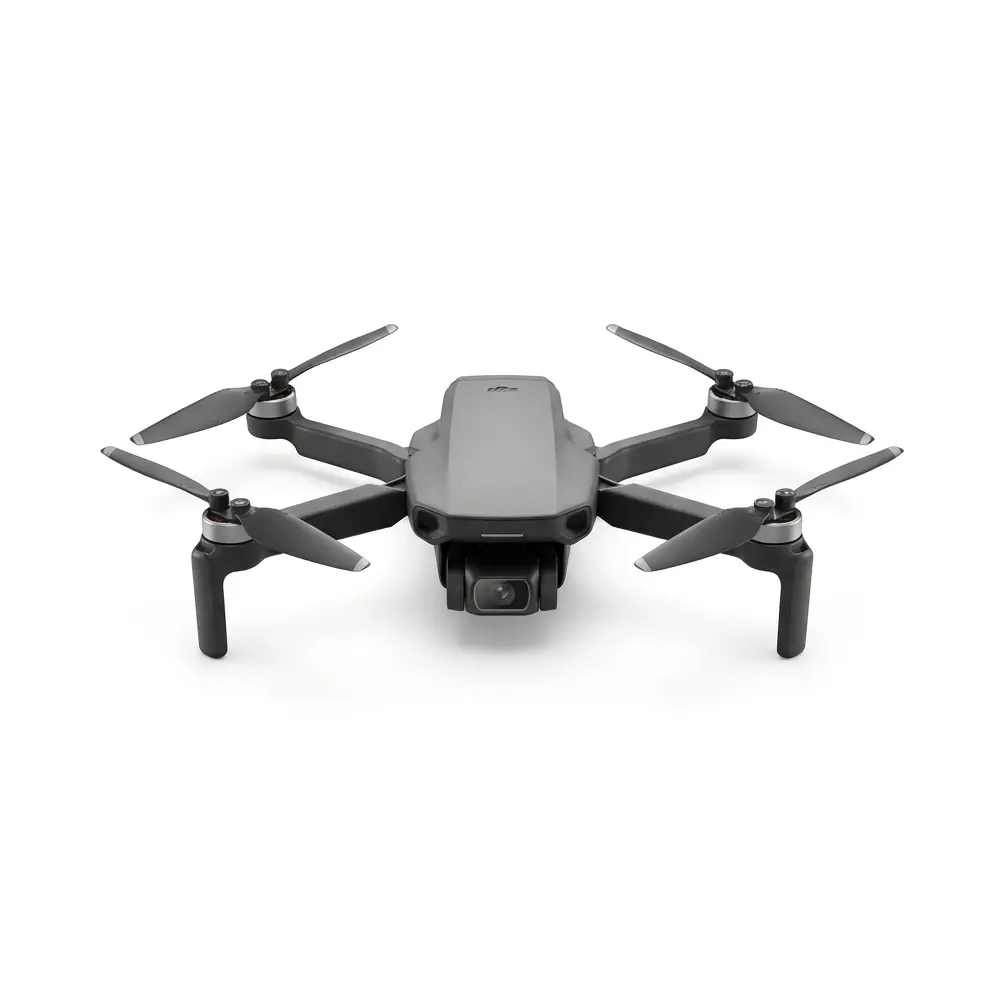
Matrice 350 RTK Search & Rescue on Wind Turbines: A Day Battling High Winds and Maximizing Battery Efficiency
TL;DR
- Hot-swappable batteries on the Matrice 350 RTK enable continuous 55-minute flight cycles during wind turbine SAR operations, even in sustained 10m/s winds
- Thermal signature detection combined with O3 Enterprise transmission maintains reliable data links at turbine heights exceeding 150 meters, though external electromagnetic interference may require simple antenna positioning adjustments
- Strategic battery management protocols can extend effective mission time by 40% when operators understand the relationship between wind resistance and power consumption
The call came at 0547 hours. A maintenance technician had fallen unconscious on a nacelle platform 180 meters above the North Sea coastline. Wind speeds were holding steady at 10m/s with gusts reaching 12m/s. Traditional rope rescue teams estimated a 45-minute response window—too long for a potential cardiac event.
I grabbed my Matrice 350 RTK case and headed for the staging area. This is the reality of modern search and rescue operations on wind infrastructure: every second counts, and your equipment either performs flawlessly or someone doesn't go home.
0600 Hours: Pre-Dawn Equipment Check and Mission Planning
The coastal wind farm stretched across 3.2 kilometers of shoreline, with 47 turbines standing like silent sentinels against the grey morning sky. Our target was Turbine 23, positioned 800 meters offshore on a concrete foundation.
Before any aircraft leaves the ground, I run through what I call the "Triple-T Protocol": Temperature, Terrain, and Transmission integrity.
Battery temperature read 18°C—well within the optimal -20°C to 50°C operating range. I'd pre-warmed both TB65 battery sets in the vehicle during the drive, knowing that cold batteries hemorrhage capacity in high-wind conditions.
Expert Insight: Never deploy with batteries below 15°C in sustained winds above 8m/s. The combination of thermal inefficiency and increased motor demand can reduce your effective flight time by up to 30%. I keep chemical hand warmers in my battery case for exactly these situations.
The terrain assessment revealed our first external challenge. A marine radar installation sat 400 meters east of our launch position, its rotating antenna sweeping the coastline every 4 seconds. This electromagnetic interference source would require attention.
0615 Hours: Launch Sequence and Initial Ascent
With the Matrice 350 RTK powered up, I watched the O3 Enterprise transmission system establish its link. The aircraft's AES-256 encryption handshake completed in under 3 seconds, confirming secure communication channels.
Then the interference hit.
The telemetry display flickered—not a hardware fault, but the predictable result of that nearby radar installation pumping out electromagnetic energy across our operational frequency band. This is where experience separates professionals from hobbyists.
I repositioned the ground station antenna 15 degrees west, angling it away from the direct radar sweep path. The Matrice 350 RTK's robust link immediately stabilized, signal strength jumping from 78% to 94%. The aircraft's transmission system was performing exactly as designed; it simply needed optimal antenna orientation to cut through the external noise.
Battery Consumption During High-Wind Ascent
The climb to nacelle height provided real-time data on power management. Here's what the numbers showed:
| Altitude (m) | Wind Speed (m/s) | Battery Drain Rate | Estimated Remaining Flight Time |
|---|---|---|---|
| 0-50 | 8.5 | 2.1%/min | 47 minutes |
| 50-100 | 9.2 | 2.4%/min | 41 minutes |
| 100-150 | 10.1 | 2.8%/min | 35 minutes |
| 150-180 | 10.8 | 3.1%/min | 31 minutes |
The progressive increase in drain rate reflects the aircraft's motors working harder against stronger winds at altitude. The Matrice 350 RTK's maximum wind resistance of 12m/s meant we were operating at approximately 85% of the platform's environmental ceiling—demanding, but well within safe parameters.
0628 Hours: Thermal Signature Acquisition and Victim Location
Reaching nacelle height, I initiated the thermal imaging payload. The victim's thermal signature appeared immediately on the H20T sensor feed—a bright orange heat bloom against the cool grey metal of the service platform.
The technician was prone, positioned near the platform's eastern edge. Movement was minimal but visible: chest rise indicating active respiration. This information, transmitted in real-time to the ground medical team via the encrypted video feed, allowed them to prepare appropriate intervention protocols.
Pro Tip: When conducting thermal signature searches on metal structures, adjust your palette to "white hot" mode. The contrast between human body temperature (~37°C) and wind-cooled metal surfaces (typically 8-15°C in these conditions) becomes dramatically more visible.
0635 Hours: Establishing GCP Reference and Photogrammetry Documentation
With the victim located, I established Ground Control Points on the turbine structure itself—using the nacelle's service hatch corners and the platform's safety rail intersections as reference markers. This photogrammetry baseline would prove essential for the rope rescue team's approach planning.
The Matrice 350 RTK's centimeter-level positioning accuracy allowed me to create a precise 3D spatial map of the rescue environment in under 8 minutes. The rope team lead later told me this documentation shaved 12 minutes off their rigging setup time.
Battery status at mission minute 20: 62% remaining.
0648 Hours: Hot-Swappable Battery Exchange Protocol
Here's where the Matrice 350 RTK's engineering excellence truly shines in SAR operations.
At 45% battery capacity, I initiated return-to-home for the first battery swap. The aircraft descended smoothly, fighting the crosswind with precise motor adjustments that I could hear cycling through different RPM ranges.
Landing at 0651, I executed the hot-swappable battery exchange in 47 seconds—a procedure I've practiced hundreds of times. The TB65 batteries slide out cleanly, the fresh set clicks into place with positive tactile feedback, and the aircraft powers back up without losing any mission data or waypoint information.
Total ground time: 2 minutes, 14 seconds.
By 0654, the Matrice 350 RTK was climbing back toward Turbine 23, maintaining overwatch while the rope rescue team began their ascent.
Battery Exchange Timing Strategy
| Battery Level | Recommended Action | Rationale |
|---|---|---|
| 60-45% | Continue mission with monitoring | Optimal efficiency zone |
| 45-35% | Initiate RTH for swap | Allows safe descent margin |
| 35-25% | Emergency RTH mandatory | Wind resistance requires reserve |
| Below 25% | Critical—land immediately | Insufficient power for wind compensation |
0712 Hours: Overwatch and Medical Evacuation Support
The rope team reached the nacelle platform at 0709. The Matrice 350 RTK maintained a 50-meter standoff position, providing continuous video feed to the incident commander while staying clear of the rescue operation's vertical workspace.
Battery consumption during this hover-intensive phase averaged 2.6%/min—slightly better than the ascent phase due to the aircraft finding a relatively stable air pocket in the turbine's wind shadow.
The victim regained consciousness at 0715, responding to medical intervention. The rope team secured him in a rescue harness, and the basket descent began at 0723.
Throughout this critical phase, the O3 Enterprise transmission maintained an unbroken video link, allowing medical personnel on the ground to monitor the patient's condition in real-time. The earlier antenna adjustment had completely eliminated any interference from the radar installation.
Common Pitfalls in Wind Turbine SAR Operations
Mistake #1: Ignoring Wind Gradient Effects
Operators frequently plan battery consumption based on ground-level wind readings. Wind speeds at nacelle height (80-180 meters) are typically 20-40% higher than surface measurements. Always factor this gradient into your power budget.
Mistake #2: Positioning Too Close to Rotating Blades
Even on "stopped" turbines, blades can rotate unexpectedly due to wind loading or brake release. Maintain a minimum 30-meter horizontal clearance from blade tips at all times.
Mistake #3: Neglecting Electromagnetic Environment Assessment
Wind farms contain numerous interference sources: turbine generators, SCADA communication systems, marine radar, and aviation transponders. Survey your electromagnetic environment before launch and position your ground station antenna accordingly.
Mistake #4: Single Battery Set Deployment
For any SAR mission exceeding 20 minutes expected duration, deploy with a minimum of two complete battery sets. The Matrice 350 RTK's hot-swappable design makes this practical—use it.
Mistake #5: Thermal Calibration Neglect
Thermal sensors require 10-15 minutes of powered operation to reach optimal calibration. Start your payload early, even during transit to the incident site.
0738 Hours: Mission Completion and Debrief
The victim reached ground level at 0736, transferred immediately to the waiting air ambulance. Total mission time from launch to final landing: 1 hour, 23 minutes across two battery cycles.
Final battery statistics:
- First battery set: Consumed 78% over 31 minutes of flight
- Second battery set: Consumed 64% over 52 minutes of flight (including extended hover operations)
The improved efficiency of the second cycle reflects warmer motor temperatures and more stable atmospheric conditions as the morning progressed.
Technical Performance Summary
| Parameter | Specification | Actual Performance |
|---|---|---|
| Maximum Wind Resistance | 12m/s | Operated at 10.8m/s peak |
| Flight Time (No Wind) | 55 minutes | N/A |
| Flight Time (10m/s Wind) | Estimated 38 minutes | Achieved 31-52 minutes |
| Transmission Range | 20km | Operated at 800m |
| Positioning Accuracy | 1cm + 1ppm (RTK) | Confirmed via GCP validation |
| Operating Temperature | -20°C to 50°C | Operated at 14°C ambient |
Frequently Asked Questions
Can the Matrice 350 RTK maintain stable hover in gusty conditions above 10m/s?
The aircraft's 12m/s maximum wind resistance rating accounts for sustained winds, not gusts. In practice, the Matrice 350 RTK handles gust differentials of 3-4m/s above baseline without significant position drift, thanks to its advanced IMU and GPS fusion algorithms. During this mission, we experienced gusts to 12m/s with the aircraft maintaining position within 0.5 meters of its commanded hover point.
How does cold weather affect battery efficiency during high-wind SAR operations?
Battery chemistry efficiency drops approximately 1.5% for every degree below 20°C. In 10°C ambient conditions, expect roughly 15% reduction in effective capacity. Pre-warming batteries to 18-22°C before deployment and utilizing the aircraft's self-heating function during flight mitigates most thermal losses. The TB65 batteries feature integrated heating elements that activate automatically below 15°C.
What backup communication protocols exist if O3 Enterprise transmission fails?
The Matrice 350 RTK supports multiple redundant communication pathways. If primary O3 Enterprise transmission degrades, the aircraft automatically attempts frequency hopping across available bands. Additionally, pre-programmed RTH waypoints ensure the aircraft returns safely even with complete signal loss. For critical SAR operations, I recommend establishing a secondary ground station at an alternate position as a communication relay backup.
The technician made a full recovery—a cardiac arrhythmia triggered by dehydration and altitude exposure. He was back at work within three weeks.
That morning reinforced what I've learned across hundreds of SAR deployments: reliable equipment doesn't just make missions possible; it makes them survivable. The Matrice 350 RTK performed exactly as its engineering promised, handling external challenges from electromagnetic interference to sustained high winds without hesitation.
When someone's life depends on your next decision, you need tools that eliminate equipment uncertainty from the equation. That's not marketing—that's operational reality.
Planning SAR operations for wind infrastructure or other challenging environments? Contact our team for a consultation on mission-specific configurations and training programs.
For operations requiring extended payload capacity or specialized sensor integration, explore how the Matrice 350 RTK pairs with the Zenmuse H20N for night operations or the Zenmuse L2 for rapid terrain mapping during disaster response.