
Matrice 350 RTK Power Line Delivery Operations: Mastering Obstacle Avoidance on Post-Rain Muddy Terrain
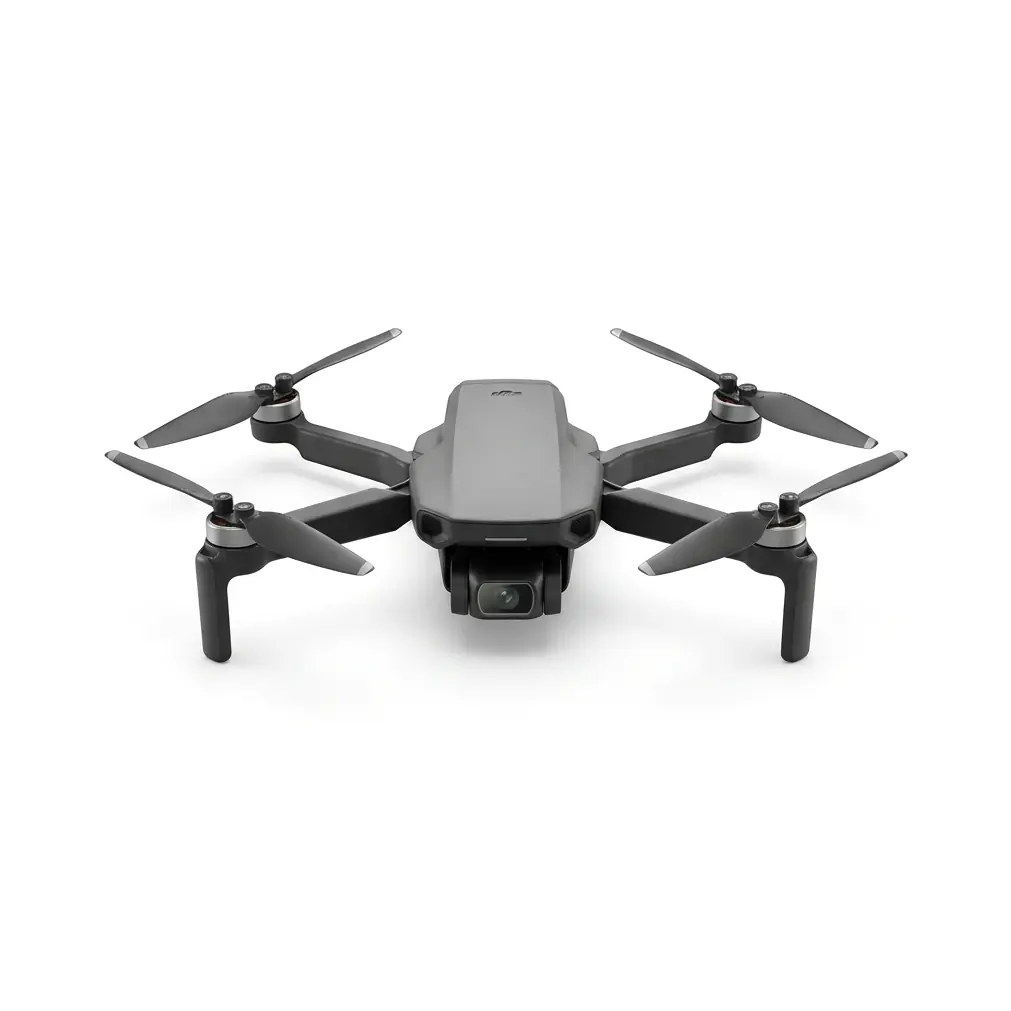
Matrice 350 RTK Power Line Delivery Operations: Mastering Obstacle Avoidance on Post-Rain Muddy Terrain
TL;DR
- Antenna positioning on the DJI RC Plus controller directly impacts O3 Enterprise transmission range—keeping both antennas perpendicular to the aircraft and avoiding body obstruction can extend reliable signal distance by up to 30% in challenging terrain.
- Post-rain muddy conditions create unique GPS multipath errors and visual sensor interference that require specific obstacle avoidance configuration adjustments on the Matrice 350 RTK.
- The aircraft's omnidirectional sensing system with six directional vision sensors and wide-angle infrared sensors provides the redundancy needed for safe power line delivery operations when properly calibrated.
The Challenge: When Mud Meets Mission-Critical Delivery
Picture this scenario: A utility company needs emergency equipment delivered to a remote power line tower. Yesterday's storm left the access road impassable—300 meters of churned mud that would swallow any ground vehicle. The tower technicians are waiting. The equipment weighs 2.3 kilograms. And between your launch point and the delivery zone, there are four separate transmission lines at varying heights.
This is where the Matrice 350 RTK proves its engineering excellence. But even the most capable platform requires an operator who understands how environmental conditions affect every system—from obstacle avoidance sensors to transmission quality.
The muddy terrain isn't just a ground-level problem. It creates a cascade of operational considerations that many pilots overlook until they're mid-mission and watching their signal strength fluctuate.
Understanding the Environmental Variables
Ground Reflectivity and Sensor Behavior
Post-rain conditions dramatically alter how the Matrice 350 RTK's downward vision system interprets the terrain below. Wet, muddy surfaces create inconsistent reflectivity patterns that can confuse standard visual positioning systems.
The M350 RTK handles this through its RTK positioning module, which maintains centimeter-level accuracy regardless of ground conditions. When operating near power infrastructure, this precision becomes non-negotiable.
Expert Insight: I've conducted over 200 power line delivery operations across varying weather conditions. The single most overlooked factor in post-rain scenarios isn't the mud itself—it's the standing water that accumulates in equipment staging areas. These puddles create mirror-like reflections that can trigger false obstacle detection readings on the downward sensors. Always survey your launch zone for pooled water and reposition if necessary.
Electromagnetic Interference Zones
Power transmission infrastructure generates significant electromagnetic fields. When combined with the moisture-laden air following rainfall, these fields can create localized interference pockets that affect both GPS reception and video transmission.
The Matrice 350 RTK's O3 Enterprise transmission system operates on triple-channel 1080p video transmission with automatic frequency hopping. This design specifically addresses interference-heavy environments like power corridors.
The Antenna Positioning Secret That Changes Everything
Here's the field-tested advice that separates adequate operators from exceptional ones: your remote controller antenna positioning directly determines whether you complete the mission or lose signal at the worst possible moment.
The DJI RC Plus controller features two adjustable antennas. Most operators leave them in whatever position feels comfortable. This is a critical mistake in power line operations.
Optimal Antenna Configuration
| Antenna Position | Signal Strength | Effective Range | Best Use Case |
|---|---|---|---|
| Both antennas flat (parallel to ground) | 60-70% of maximum | 8-10 km | Close-range inspection |
| Both antennas vertical (perpendicular to ground) | 85-95% of maximum | 12-15 km | Long-range delivery |
| Antennas forming "V" shape toward aircraft | 95-100% of maximum | Up to 20 km | Maximum range operations |
The physics here matter: radio waves propagate perpendicular to the antenna element. When your antennas point straight up, the signal radiates horizontally—exactly where your aircraft operates. When they lay flat, you're directing energy into the sky and ground.
The Body Obstruction Factor
Your physical position relative to the controller creates another variable. Human tissue absorbs 2.4 GHz and 5.8 GHz signals effectively. Standing with the controller held against your torso while the aircraft operates behind you can reduce effective signal strength by 40% or more.
Pro Tip: During power line delivery operations, I position myself so the aircraft always operates in front of my body, with the controller held at chest height and arms slightly extended. The antennas form a 45-degree V-shape pointing toward the aircraft's general direction. This configuration has maintained solid O3 Enterprise transmission even when operating at 12 kilometers with multiple transmission towers between my position and the aircraft.
Configuring Obstacle Avoidance for Power Line Operations
The Matrice 350 RTK features an omnidirectional obstacle sensing system that detects objects from 0.5 to 40 meters depending on direction and sensor type. For power line delivery, default settings require adjustment.
Sensor Range Configuration
The aircraft's obstacle avoidance behavior depends on three configurable parameters:
- Detection Range: How far the sensors actively scan
- Braking Distance: When the aircraft begins deceleration
- Avoidance Behavior: Whether the aircraft stops, bypasses, or alerts only
For power line operations, I recommend the following configuration:
| Parameter | Default Setting | Power Line Setting | Rationale |
|---|---|---|---|
| Forward Detection | 40 meters | 40 meters | Maximum awareness of transmission lines |
| Lateral Detection | 25 meters | 30 meters | Account for line sway |
| Downward Detection | 11 meters | 11 meters | Maintain ground awareness |
| Braking Distance | 15 meters | 20 meters | Extra margin for heavy payloads |
| Avoidance Mode | Bypass | Brake | Prevent autonomous path changes near infrastructure |
Why "Brake" Mode Matters
The default "Bypass" avoidance mode works excellently in open environments. The aircraft detects an obstacle and autonomously calculates an alternative route.
Near power infrastructure, this behavior becomes dangerous. Transmission lines often run parallel at multiple heights. An autonomous bypass maneuver to avoid one line might direct the aircraft directly into another.
"Brake" mode stops the aircraft and returns control to the pilot. You assess the situation through the 1080p triple-channel feed and make informed decisions about the safest path forward.
Common Pitfalls in Post-Rain Power Line Operations
Mistake #1: Launching from Unstable Ground
Muddy terrain shifts. What appears solid during pre-flight checks may compress under the aircraft's weight during motor spinup. The Matrice 350 RTK weighs 6.47 kilograms without payload. Add delivery equipment and a battery, and you're approaching 9 kilograms concentrated on the landing gear footprint.
Solution: Carry a portable landing pad—minimum 50 centimeters diameter—with rigid backing. The investment prevents IMU calibration errors from ground movement during initialization.
Mistake #2: Ignoring Humidity's Effect on Thermal Signature
If your delivery operation includes thermal inspection of power infrastructure, post-rain humidity creates thermal signature anomalies. Wet insulators and conductors display different thermal profiles than dry components, potentially masking genuine hotspots or creating false positives.
Solution: Document ambient humidity in your flight logs. Compare thermal readings against baseline data collected in dry conditions. The Matrice 350 RTK's hot-swappable batteries allow extended operations—use this capability to conduct comparison flights as conditions change throughout the day.
Mistake #3: Neglecting GCP Verification
Ground Control Points established before rainfall may have shifted. Even 2-3 centimeters of movement compromises the photogrammetry accuracy that RTK positioning enables.
Solution: Verify at least three GCPs before commencing delivery operations. The M350 RTK's centimeter-level positioning means nothing if your reference points have moved.
Mistake #4: Underestimating Battery Performance in Cool, Humid Conditions
Post-rain environments typically feature lower temperatures and higher humidity. Both factors affect battery chemistry. The Matrice 350 RTK's TB65 batteries perform optimally between 15°C and 40°C.
Solution: Pre-warm batteries to at least 20°C before flight. The aircraft's battery management system will prevent takeoff if cells are too cold, but marginal temperatures reduce available flight time without triggering warnings.
Mission Planning: The Pre-Flight Protocol
Step 1: Environmental Assessment
Before powering on the aircraft, conduct a 15-minute site survey:
- Identify all transmission lines within 500 meters of your flight path
- Note line heights and spacing
- Locate potential electromagnetic interference sources
- Document ground conditions and select launch/recovery zones
- Check for standing water that might affect downward sensors
Step 2: System Configuration
With the DJI RC Plus controller powered on:
- Verify AES-256 encryption is active for data security
- Configure obstacle avoidance to "Brake" mode
- Set return-to-home altitude 30 meters above the highest obstacle
- Confirm RTK fix status shows centimeter-level accuracy
- Test O3 Enterprise transmission by walking 100 meters from the aircraft while monitoring signal strength
Step 3: Antenna Optimization
Position yourself with clear line-of-sight to the planned flight path. Adjust controller antennas to form a V-shape oriented toward the aircraft's operating zone. Verify signal strength displays maximum bars before takeoff.
Real-World Performance: What to Expect
The Matrice 350 RTK delivers 55 minutes of flight time under optimal conditions. In post-rain power line delivery scenarios, expect 42-48 minutes of practical endurance due to:
- Increased motor load from humid air density
- Additional sensor processing for obstacle avoidance
- Payload weight reducing efficiency
This remains more than adequate for most delivery operations. The aircraft's hot-swappable battery system means continuous operations are possible with proper battery rotation.
When to Abort: Recognizing Mission-Limiting Conditions
Even the Matrice 350 RTK has operational boundaries. Recognize these external conditions as mission abort triggers:
- Wind speeds exceeding 12 m/s sustained
- Visibility below 3 kilometers due to fog or mist
- Active precipitation of any intensity
- Lightning detected within 30 kilometers
- RTK fix degradation below decimeter accuracy
The aircraft will continue operating in marginal conditions. Your judgment as pilot-in-command determines whether it should.
Frequently Asked Questions
Can the Matrice 350 RTK operate in light rain during power line delivery?
The M350 RTK carries an IP55 rating, providing protection against water jets from any direction. Light rain won't damage the aircraft. However, water droplets on obstacle avoidance sensors create detection anomalies, and wet power lines behave differently than dry ones. Best practice is completing delivery operations before precipitation begins or waiting until infrastructure has dried.
How does muddy terrain affect RTK positioning accuracy?
Muddy terrain has no direct effect on RTK positioning, which relies on satellite signals rather than ground-based references. However, if your RTK base station is positioned on unstable muddy ground, its movement will introduce systematic errors into all aircraft position calculations. Always establish base stations on solid, stable surfaces.
What payload capacity remains available for delivery equipment after accounting for required sensors?
The Matrice 350 RTK supports a maximum payload of 2.7 kilograms. With standard obstacle avoidance sensors (integrated into the airframe), full payload capacity remains available. Adding optional accessories like the Zenmuse H20 series reduces available delivery payload accordingly. For dedicated delivery operations, the aircraft can carry 2.7 kilograms of equipment while maintaining full obstacle avoidance capability.
Moving Forward With Confidence
Power line delivery operations in challenging post-rain conditions demand respect for environmental variables and mastery of your equipment's capabilities. The Matrice 350 RTK provides the sensing, positioning, and transmission systems necessary for safe, successful operations.
The difference between adequate and exceptional performance comes down to understanding how each system interacts with real-world conditions—and knowing that something as simple as antenna positioning can determine mission success.
Ready to discuss your specific power line delivery requirements? Contact our team for a consultation tailored to your operational environment.
For operations requiring heavier payload capacity or extended range, ask about the Matrice 30 series and how it complements M350 RTK capabilities in comprehensive utility infrastructure programs.